12 hr
Milford Sound Coach & Cruise Day Trip from Queenstown
- Expert local guide
- Small group
- Skip-the-line access
- Free cancellation
Milford Sound Cruise — Reserved Sailings Into Piopiotahi
Granite walls rise from black water, waterfalls fall unmeasured.
Compare fares, pick the fit — all bookings are mobile-voucher and eligible for free cancellation where shown.
12 hr
2 hr
5 hr
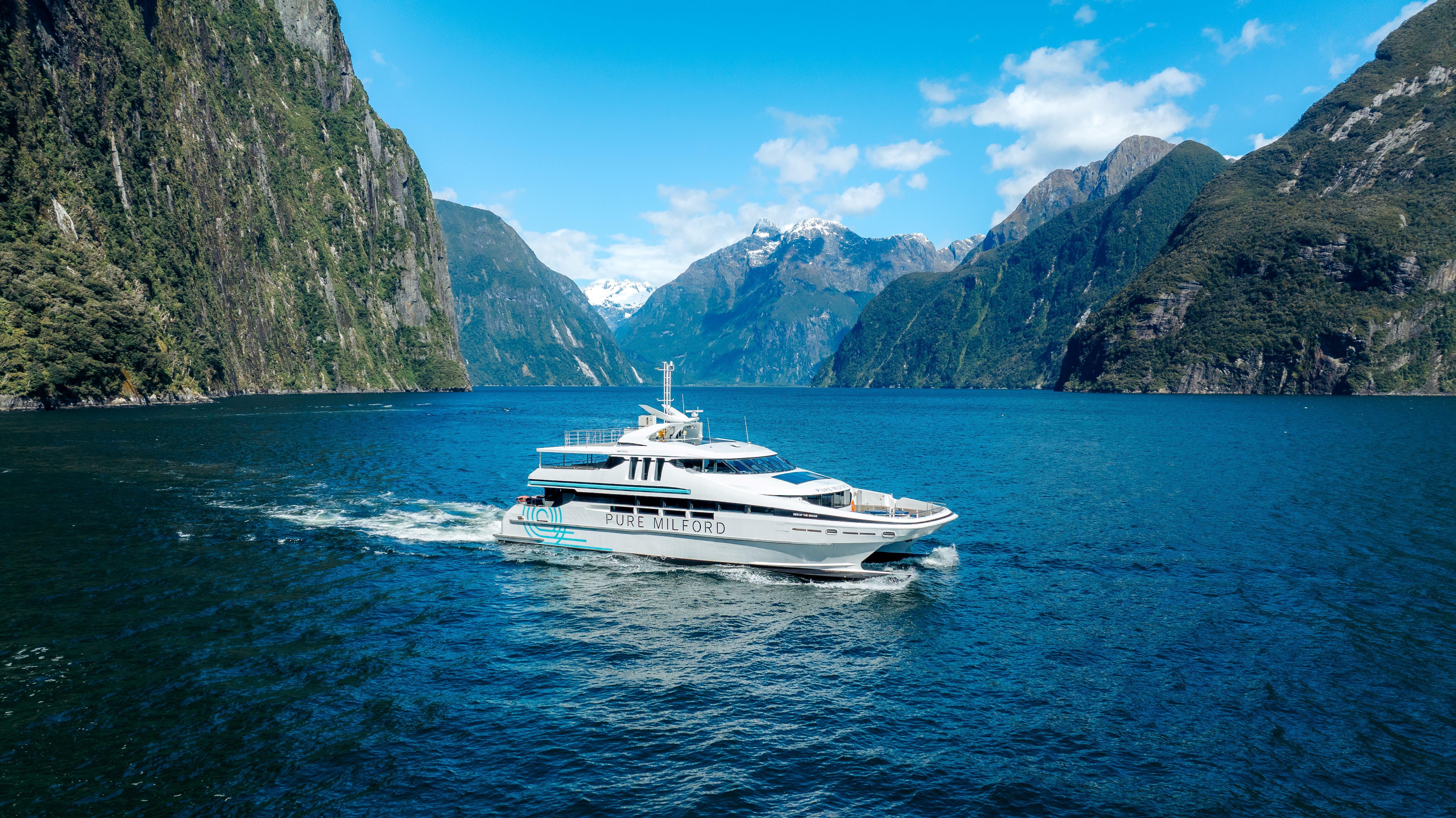
A Milford Sound Cruise is not one product but four distinct RealNZ tiers, each built around a different vessel, pace, and level of onboard service. Choosing the right Milford Sound Cruise tour comes down to how much space, food, and privacy you want on the water.
| Classic Monarch / Sovereign |
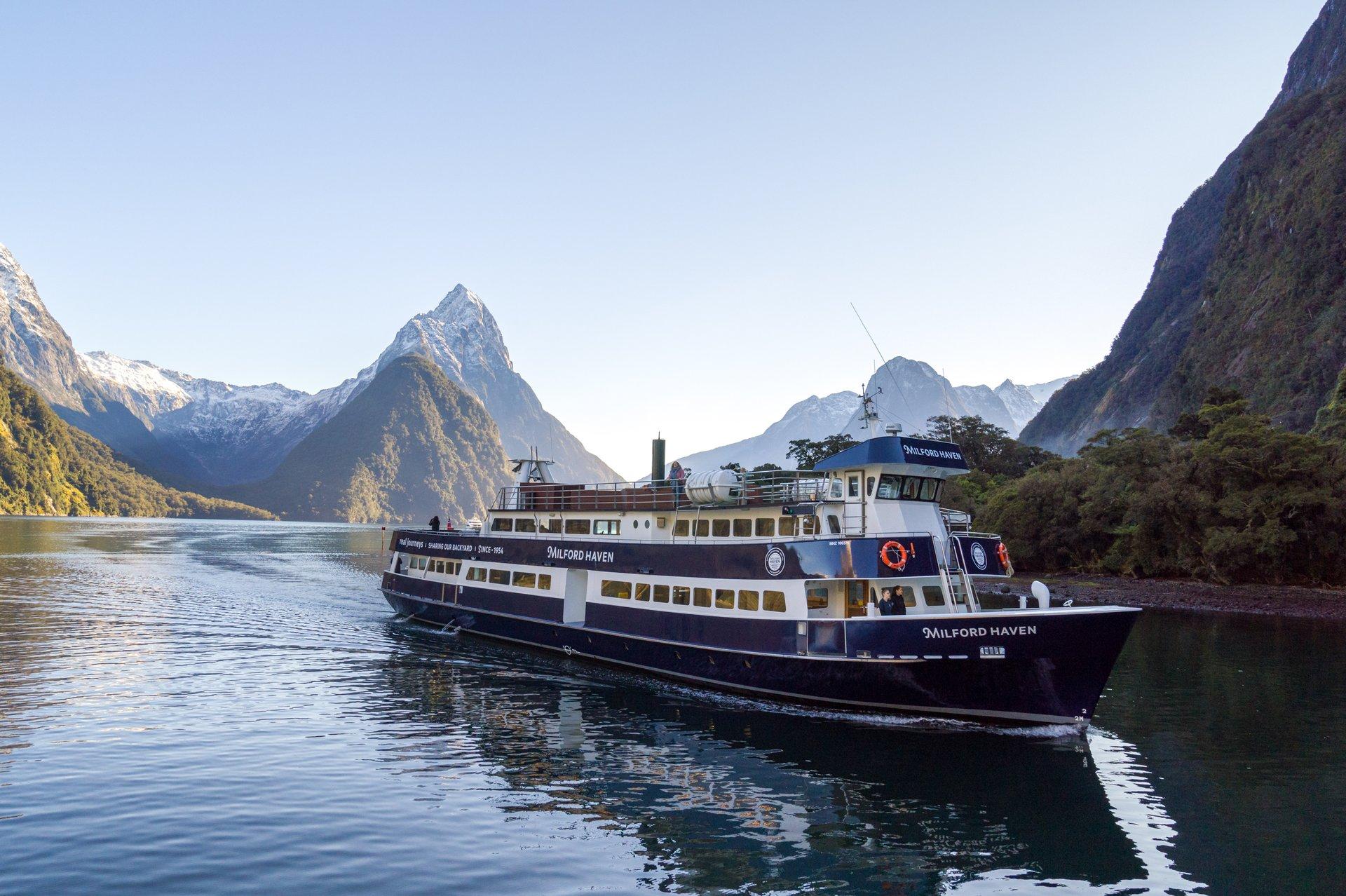
Top pick Signature Haven / Mariner |
Premium MV Sinbad | Business Class MV Sinbad, hosted | |
|---|---|---|---|---|
| Vessel(s) | Milford Monarch or Milford Sovereign | Milford Haven or Milford Mariner | MV Sinbad | MV Sinbad (chauffeured coach included) |
| Typical duration | 1 hr 40 min | About 2 hours | Longer, unhurried pace | Full day from Queenstown/Te Anau |
| Onboard dining | International buffet, purchase only | Cabinet food, barista coffee, craft beer | Five-course tasting menu included | Chef-led tasting menu, wine pairing |
| Group size / atmosphere | Largest capacity, panoramic lounges | Mid-size, characterful, café feel | Capped small group, reserved seating | Smallest, fully hosted, private feel |
| Best suited for | Families and larger groups on a budget | First-timers wanting balance of value and character | Couples wanting space and slower pace | Special occasions and all-inclusive travelers |
| See tickets & prices |
Verdict: Most first-time visitors get the best balance of atmosphere, food options, and value on the Signature Cruise, while Classic suits tight budgets and Premium or Business Class suit those booking a Milford Sound Cruise tour as a splurge occasion.
Worth it for first-timers, skippable for repeat visitors
There is no gate fee at the terminal — the entrance fee is 0 NZD, and you pay only for the sailing itself, purchased separately per departure. That distinction matters, because the water is the only way to actually reach the fiord's interior: Mitre Peak from its base, Stirling and Lady Bowen Falls close enough to soak the bow deck, fur seals on the rock shelves, and the Tasman Sea opening at the fiord mouth. Booking a Milford Sound Cruise buys access no roadside pull-off replicates. Most operators run the same route on the same schedule, so the cheapest tier delivers the identical core view — the premium Milford Sound Cruise tickets buy space and comfort, not scenery. It pays off for anyone driving the Milford Road once in their life. Repeat visitors and kayakers can reasonably skip the boat entirely.
Bottom line: Book an early sailing on a basic tier — most Fiordland day tours cost more and show you less than a well-timed cruise here.
Hand-picked experiences loved by thousands of travelers
12 hours
Free Cancellation
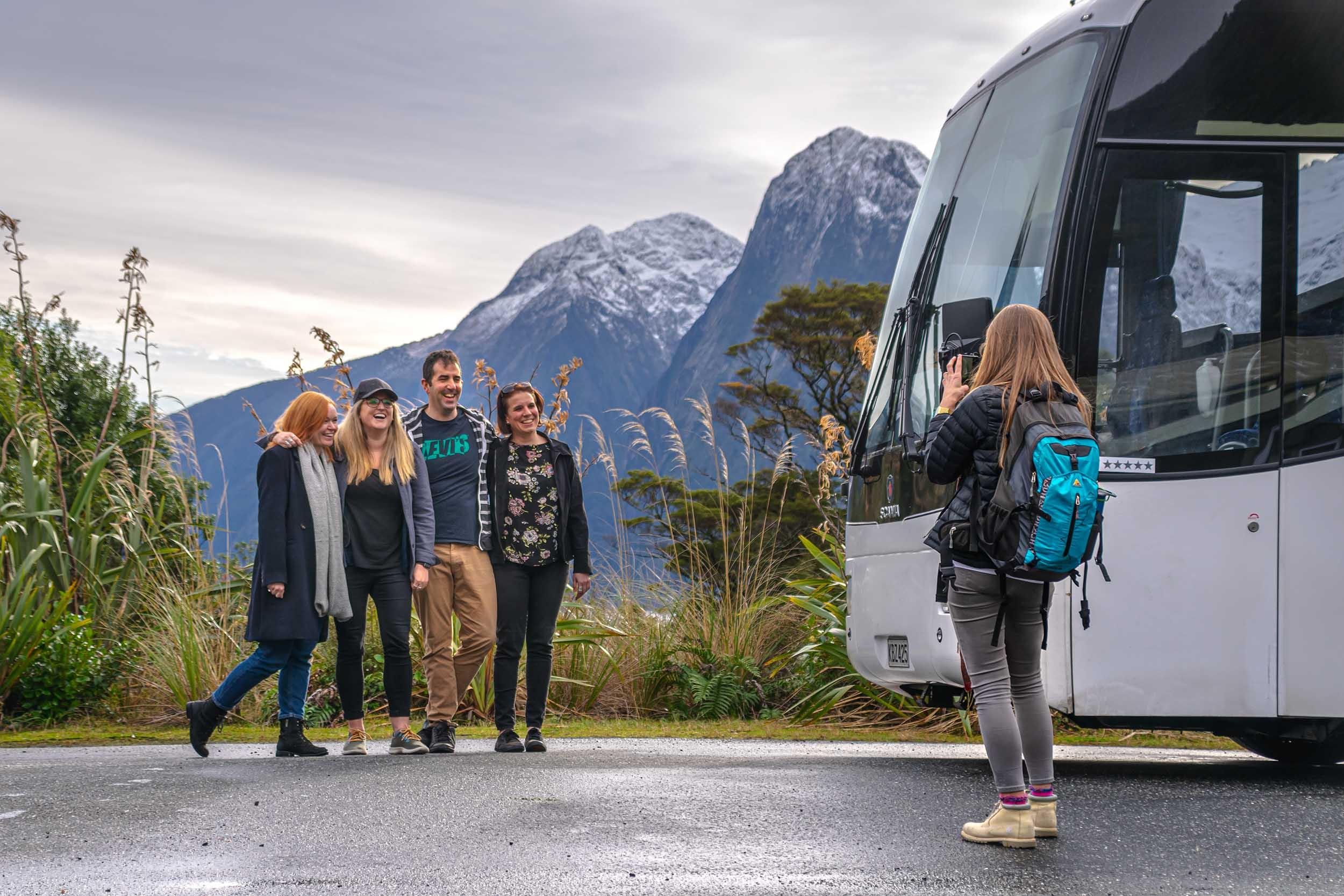
Full-day scenic coach journey and 2-hour fiord cruise through Fiordland's dramatic landscapes.
105 minutes
Free Cancellation
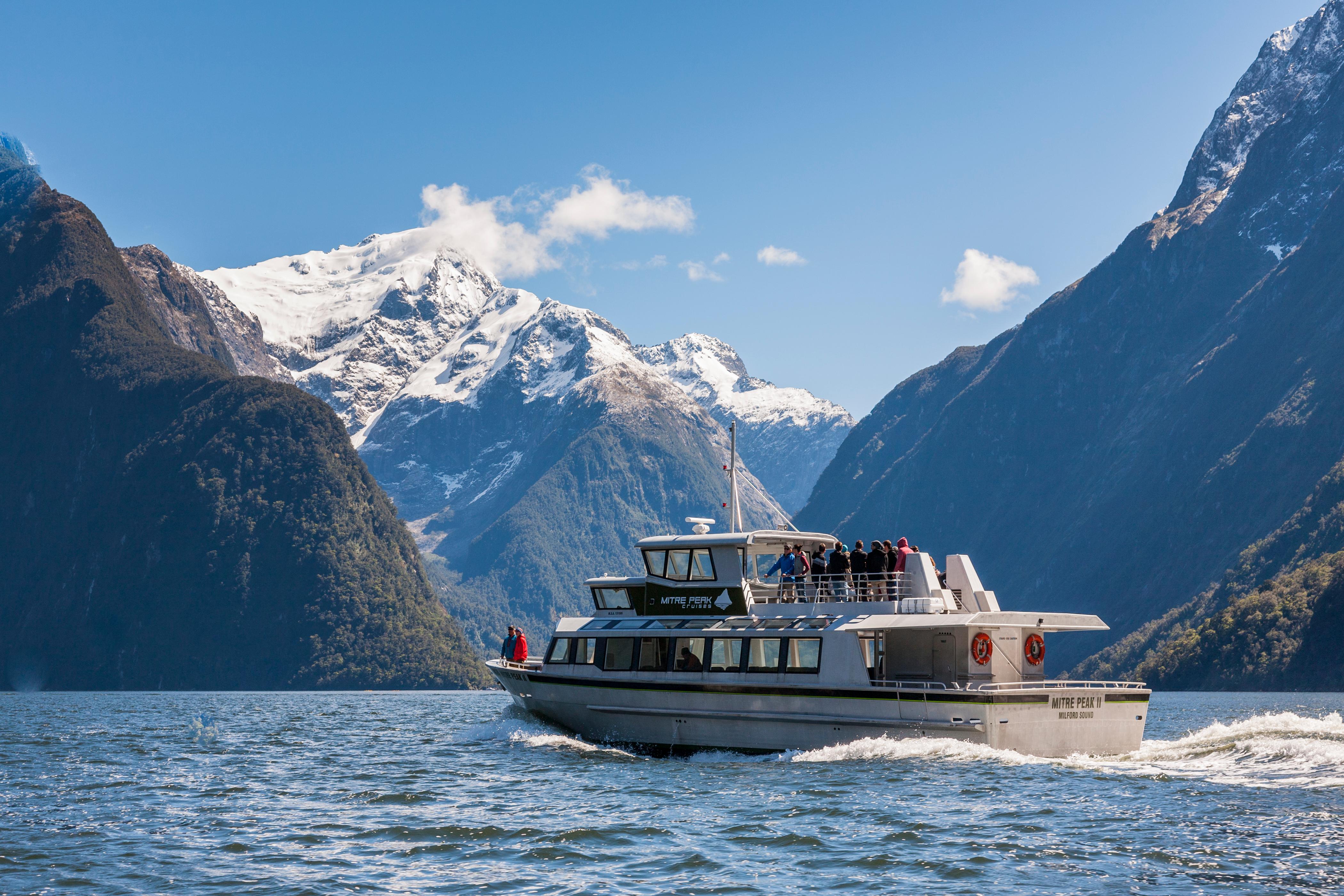
Glide through Milford Sound's towering fiords on a sleek catamaran with waterfalls, seals and dolphins.
1 hour 45 minutes
Free Cancellation
Sail a glacier-carved fjord past towering peaks, seal colonies, and waterfalls on a cozy small boat.
8 hours
Free Cancellation
Full-day journey through Fiordland to Milford Sound, with a scenic catamaran cruise and picnic lunch included.
1.5–2 hours
Free Cancellation
Cruise beneath towering cliffs and thundering waterfalls on this scenic Milford Sound voyage.
11 - 13 hours
Free Cancellation
Full-day Fiordland journey to Milford Sound with a boutique cruise, picnic lunch, and scenic stops.
105 minutes
Free Cancellation
Cruise Milford Sound's dramatic fiord on a modern catamaran with wildlife, waterfalls, and 360° views.
12.5 hours
Free Cancellation
Glass-roof coach ride through Fiordland's finest scenery, capped with a 2-hour cruise on Milford Sound.
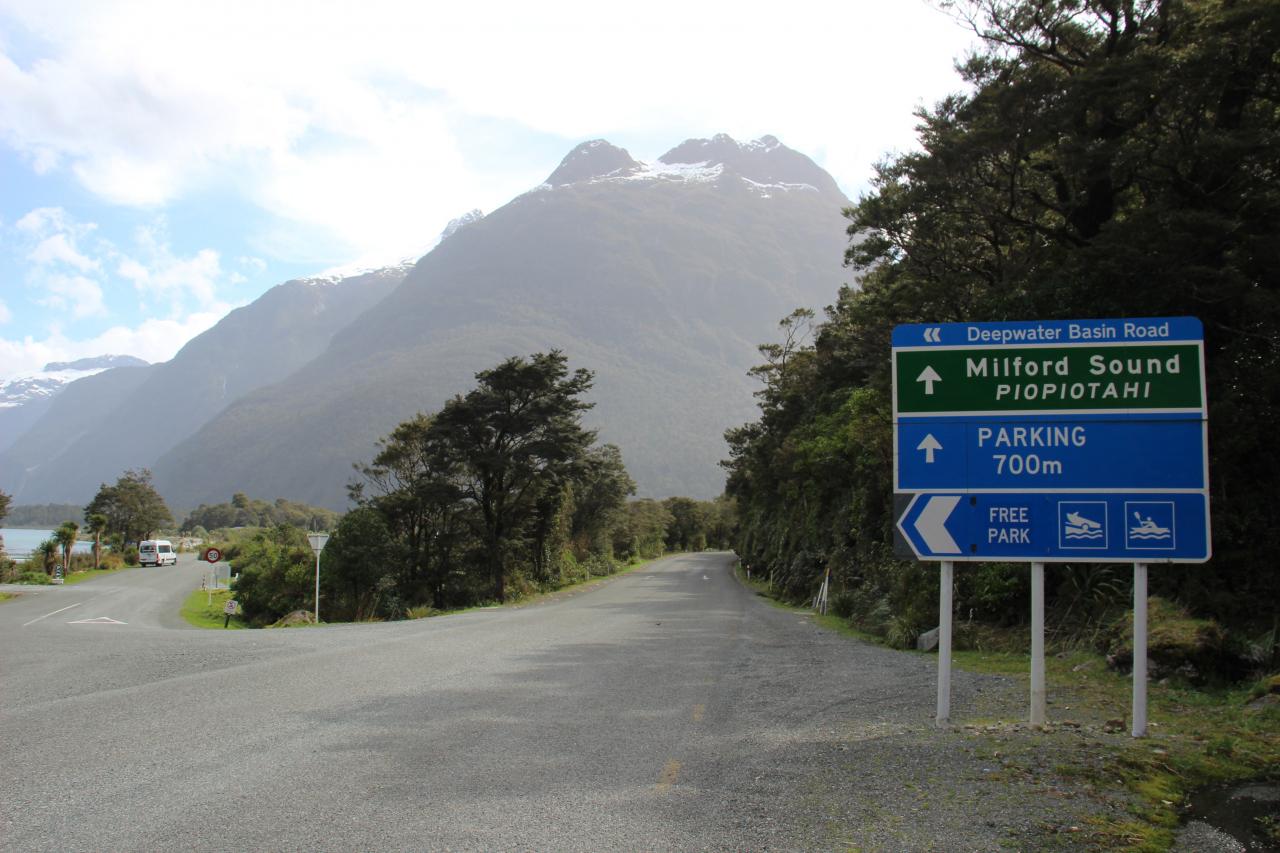
Park at the paid main car park (5-10 min walk) or free Deepwater Basin car park (20-25 min walk) before heading to the terminal
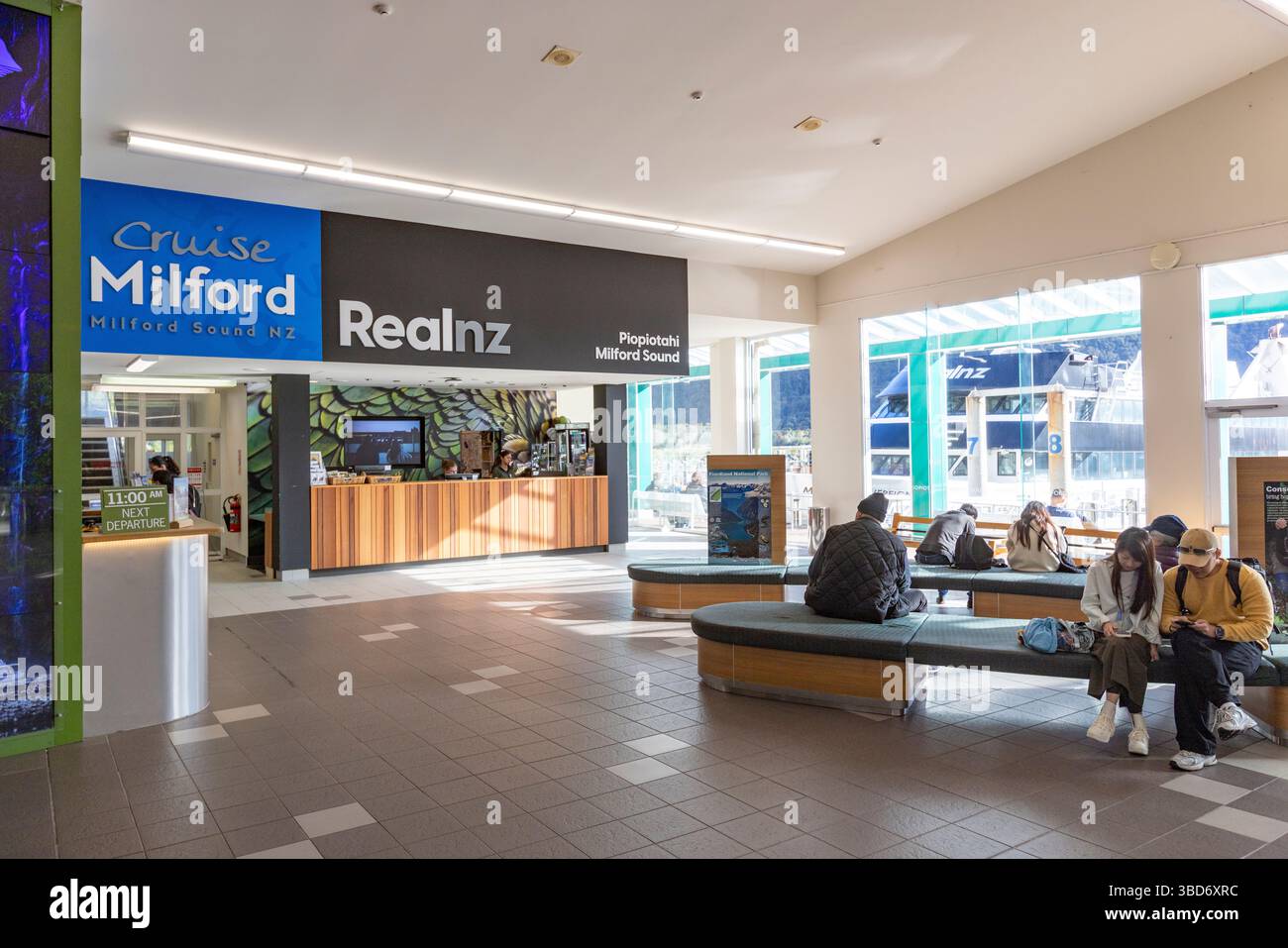
Show your e-ticket at the Visitor Terminal counter and board your assigned vessel for the Milford Sound Cruise
Sail past Mitre Peak, Bowen Falls and Stirling Falls while watching for fur seals and dolphins
Some sailings stop near Harrison Cove for views toward the Milford Discovery Centre and Underwater Observatory
Disembark at the Visitor Terminal and collect any stored luggage before departing
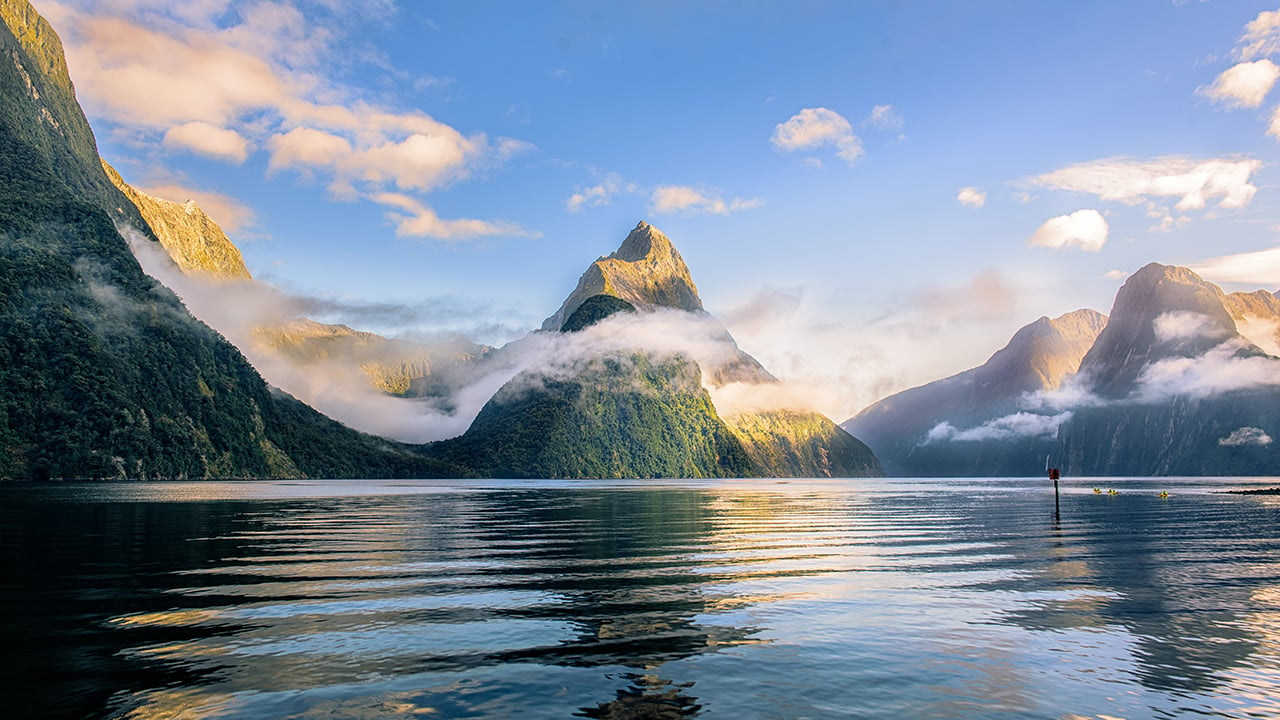
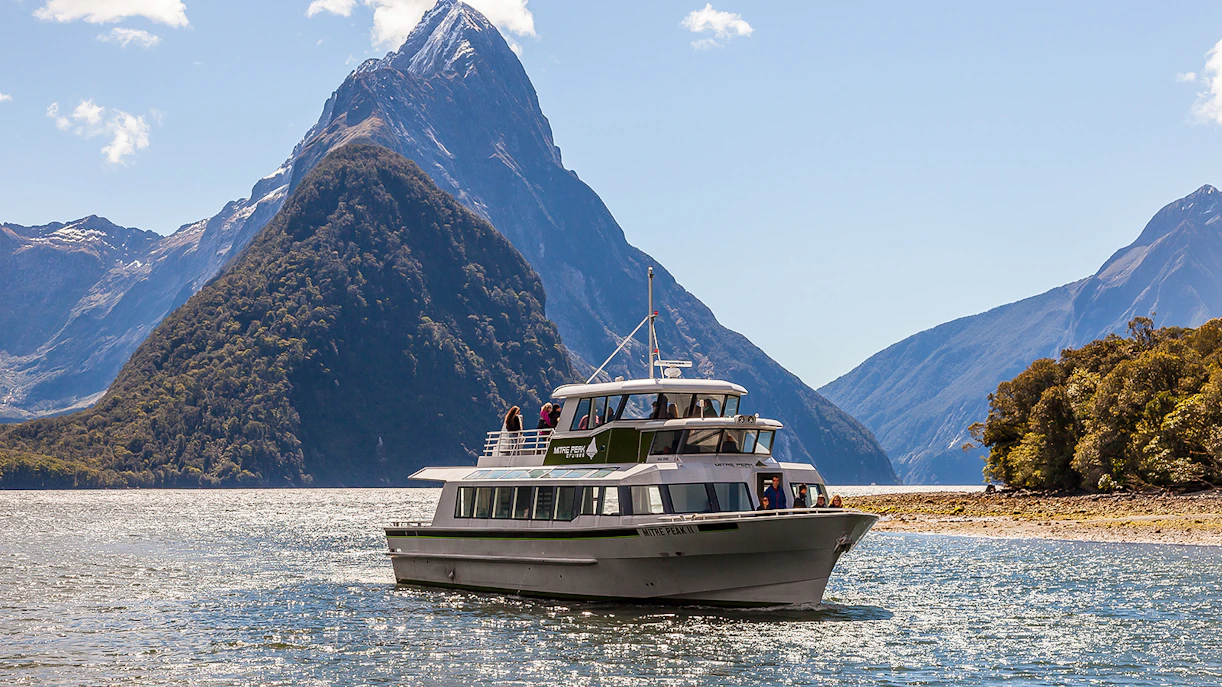
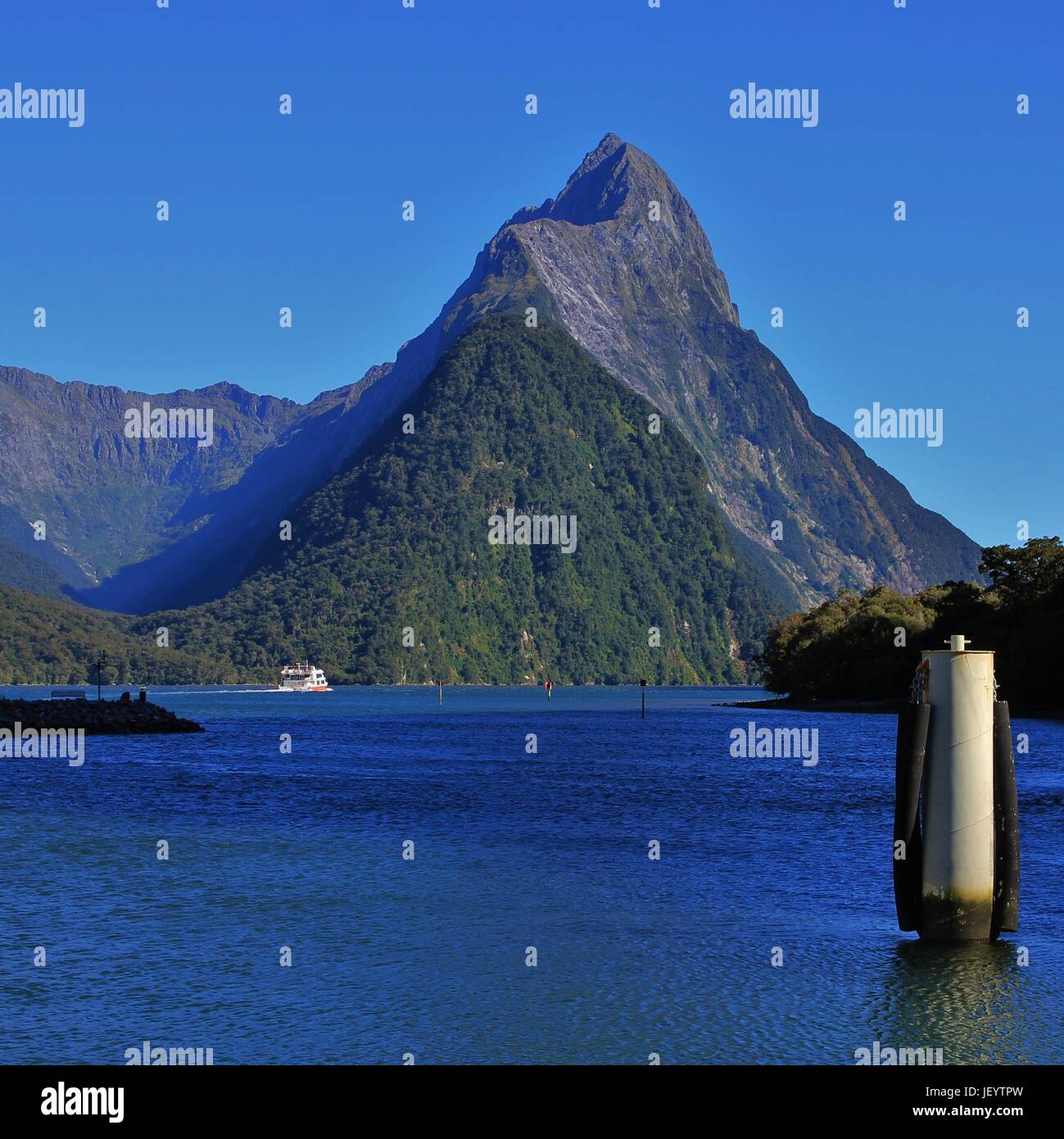
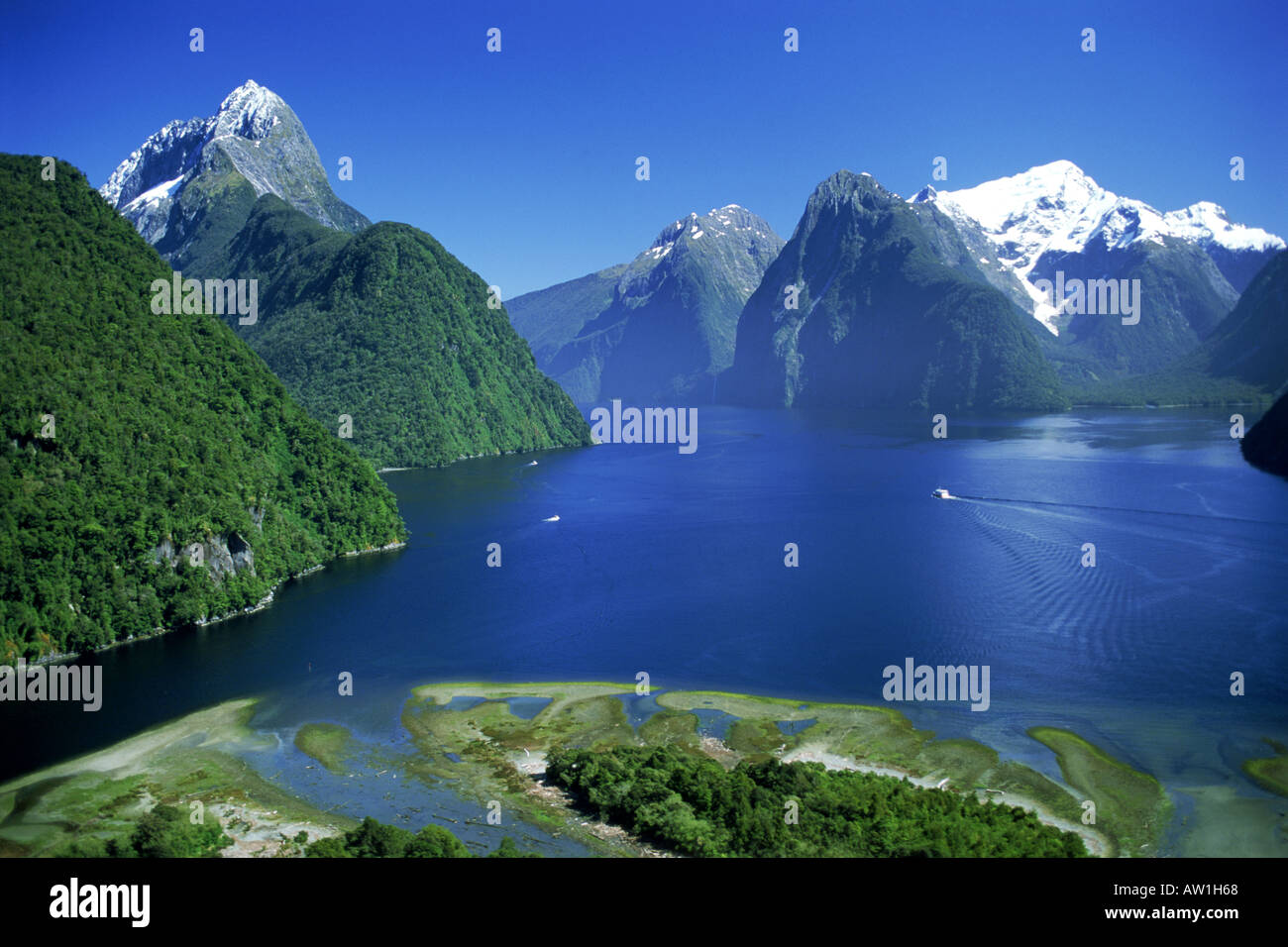
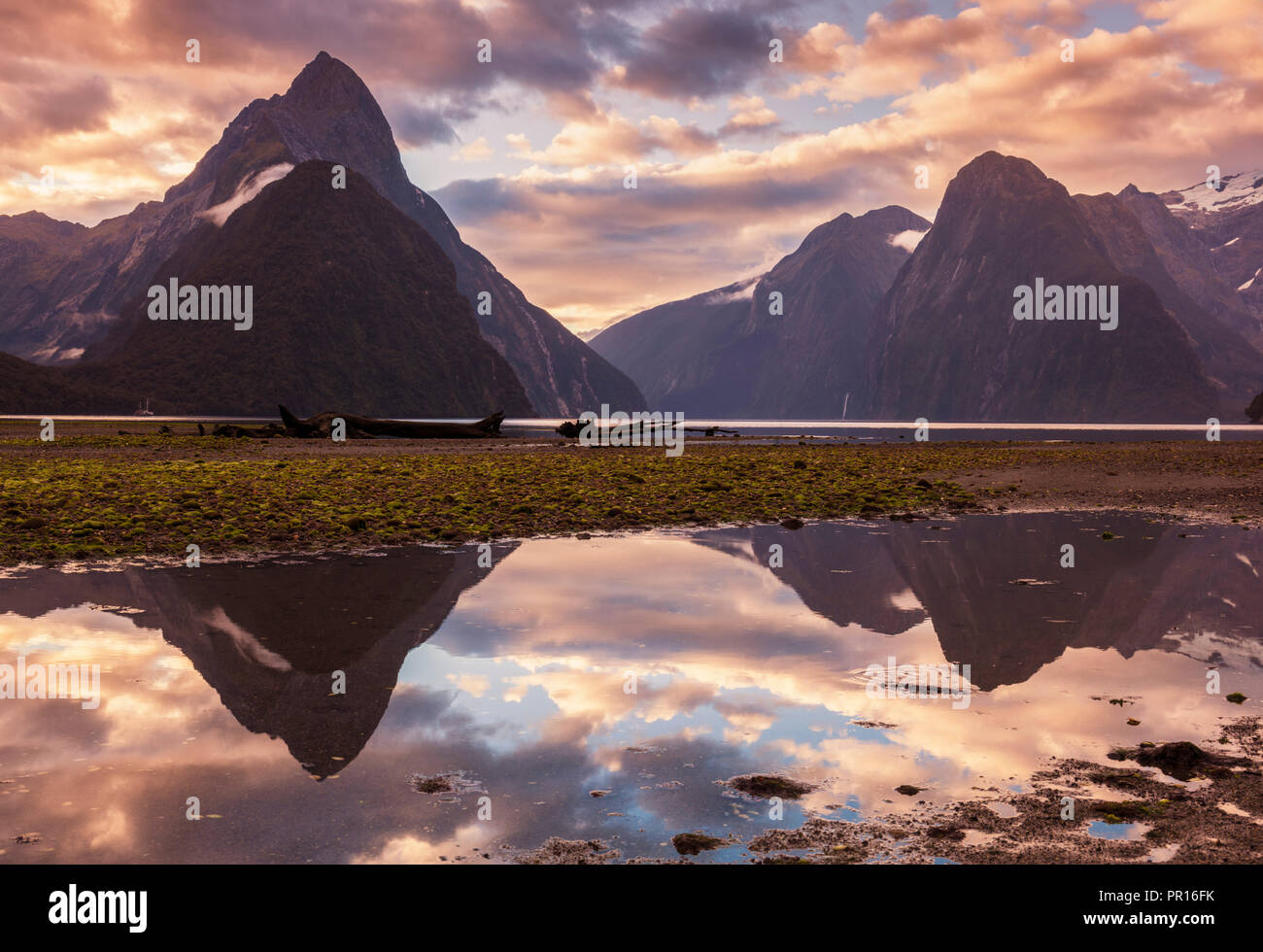
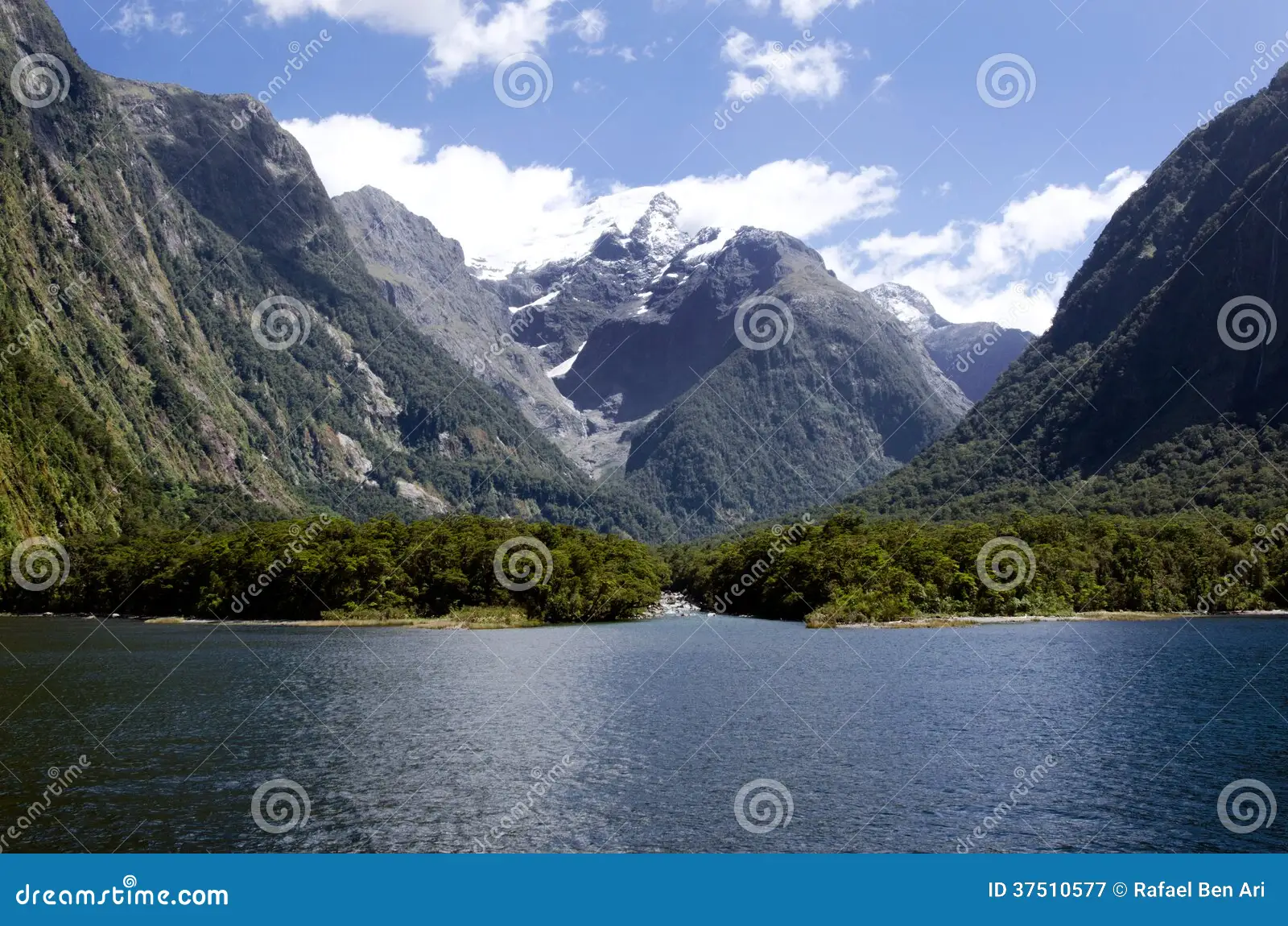
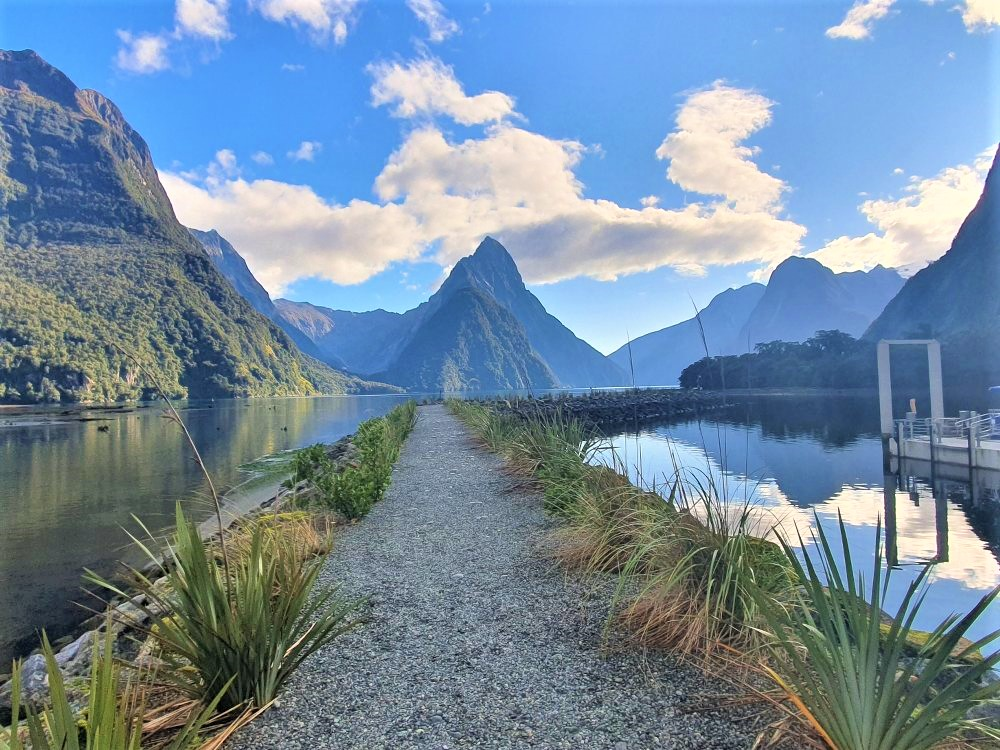
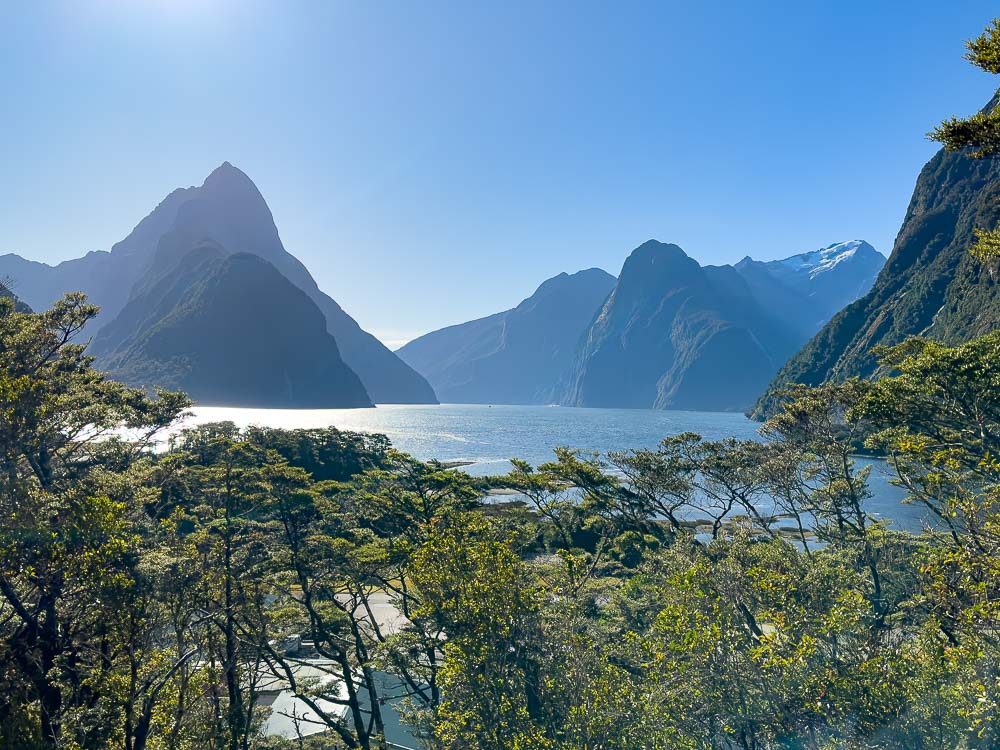
Rising 1,692 metres almost directly from the fiord's waters, this granite summit is actually formed from five closely grouped peaks rather than a single point, though it reads as one triangular spire from the water. Named by a 19th-century British naval captain for its resemblance to a bishop's mitre, it remains the most photographed feature of the fiord.
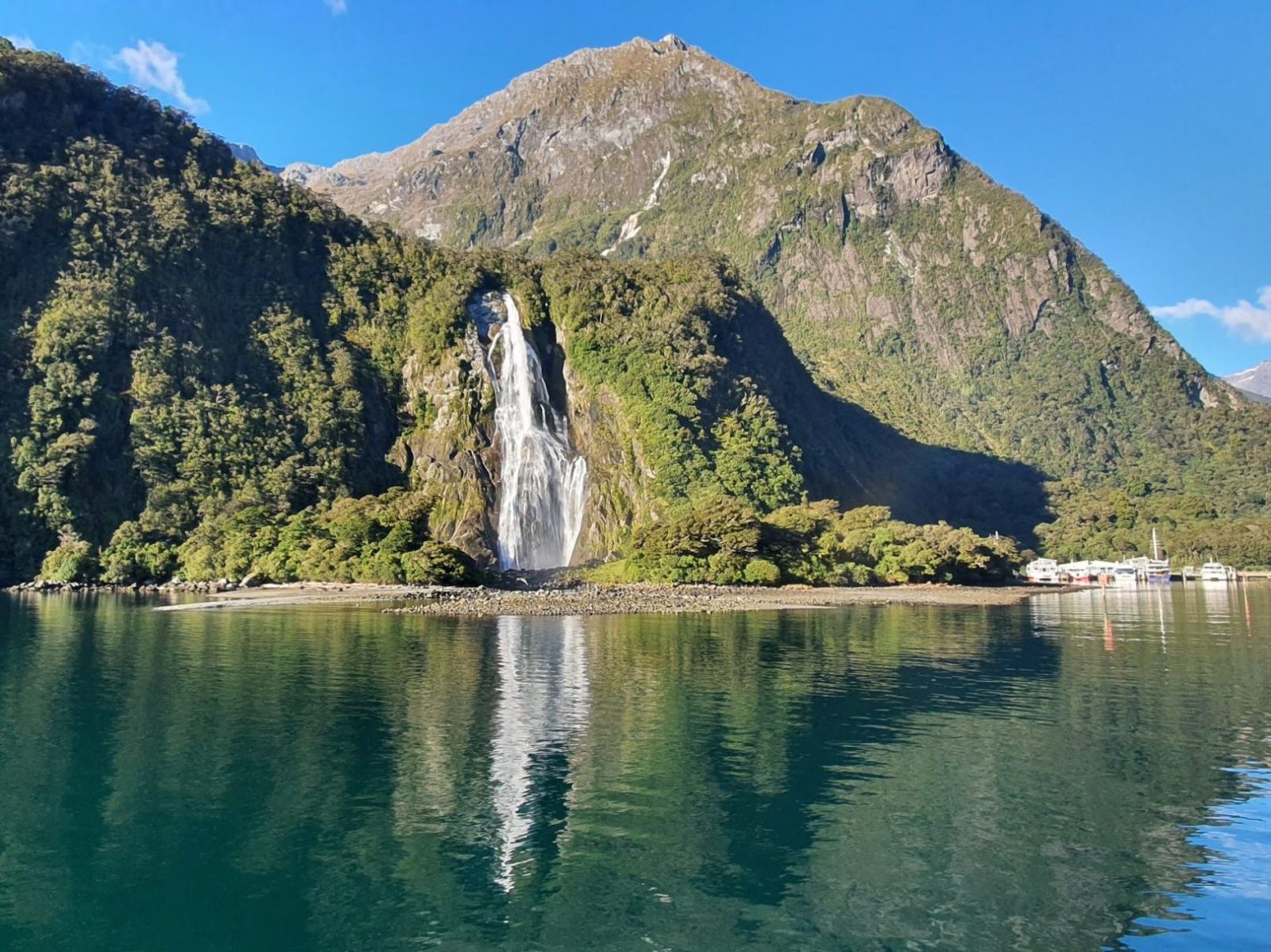
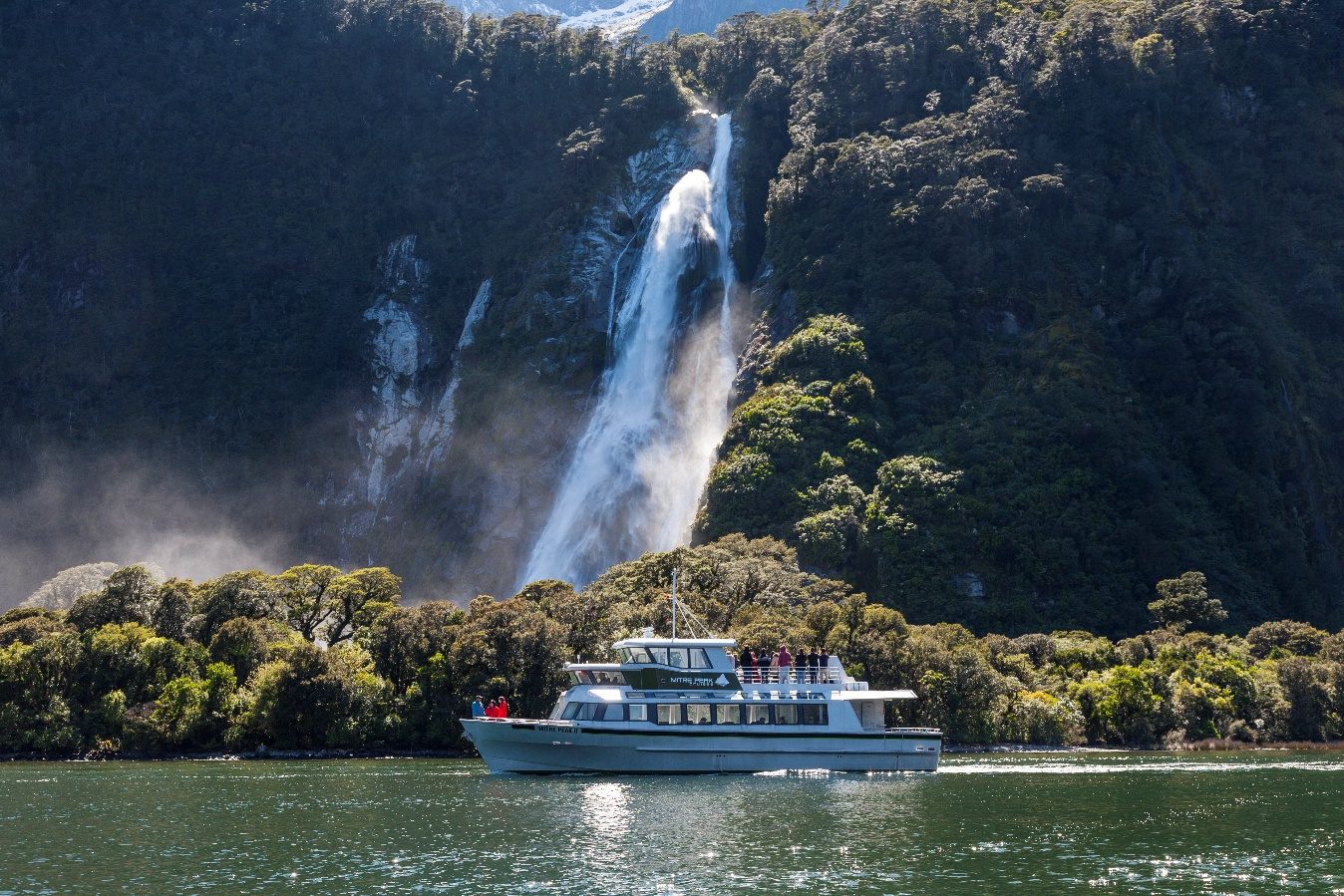
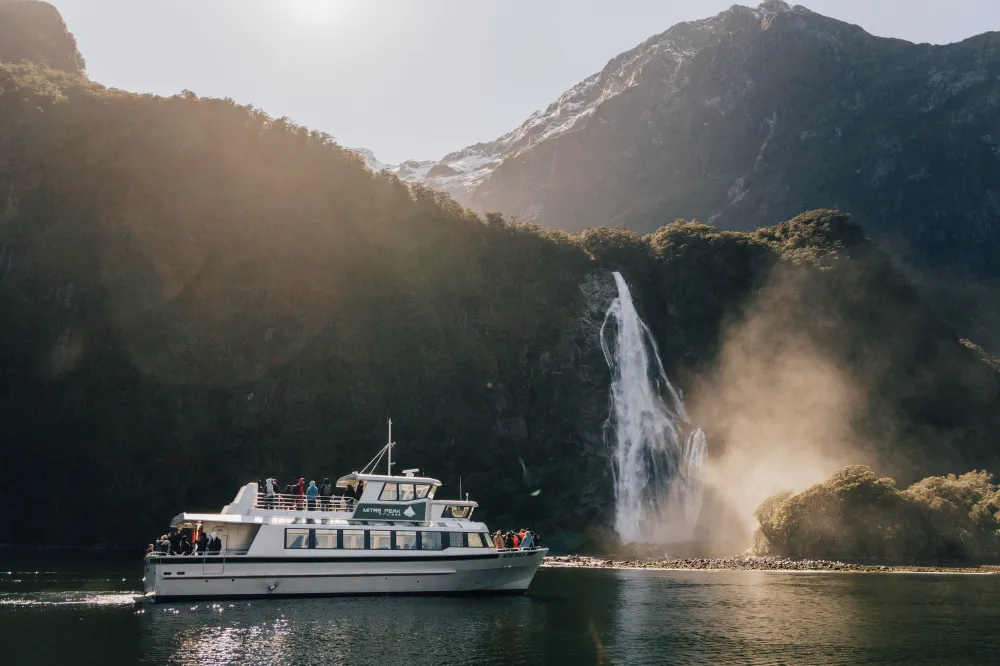
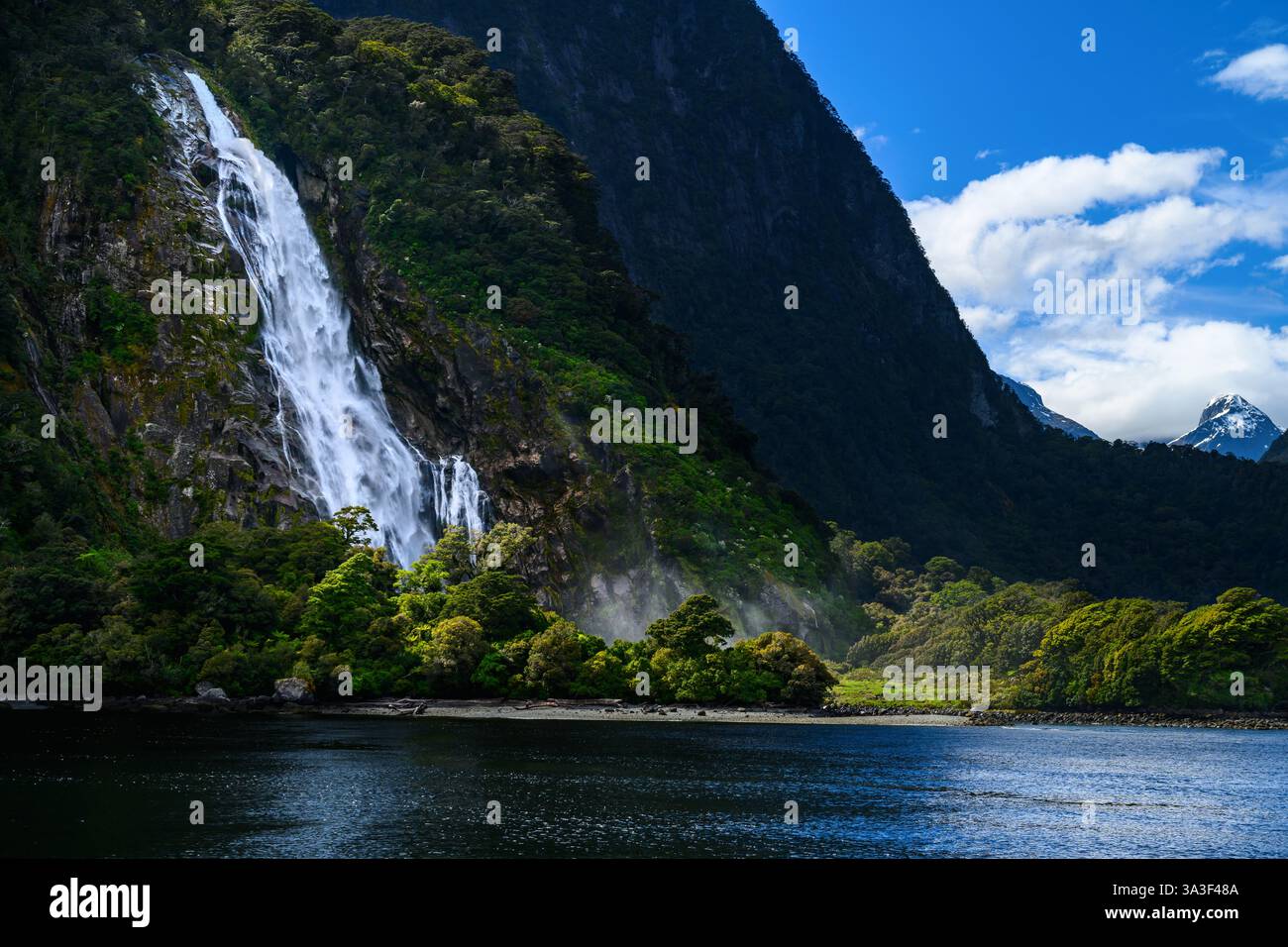
Also known as Lady Bowen Falls, this permanent 162-metre waterfall drops from the Darren Mountain Range and doubles as the water and hydroelectric supply for Milford Sound's small resident population. It is one of only two permanent waterfalls in the fiord, visible from the Visitor Terminal itself.
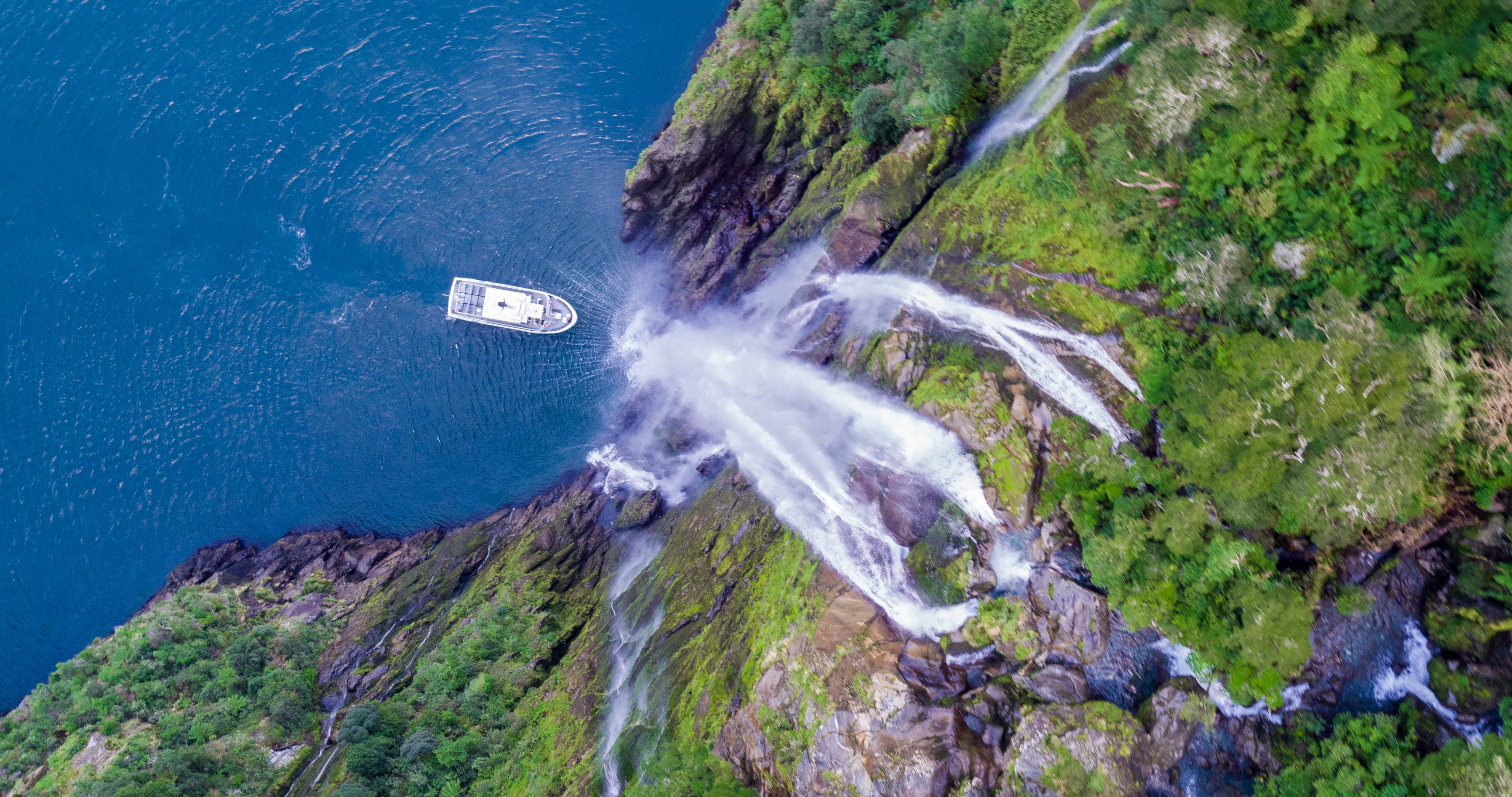
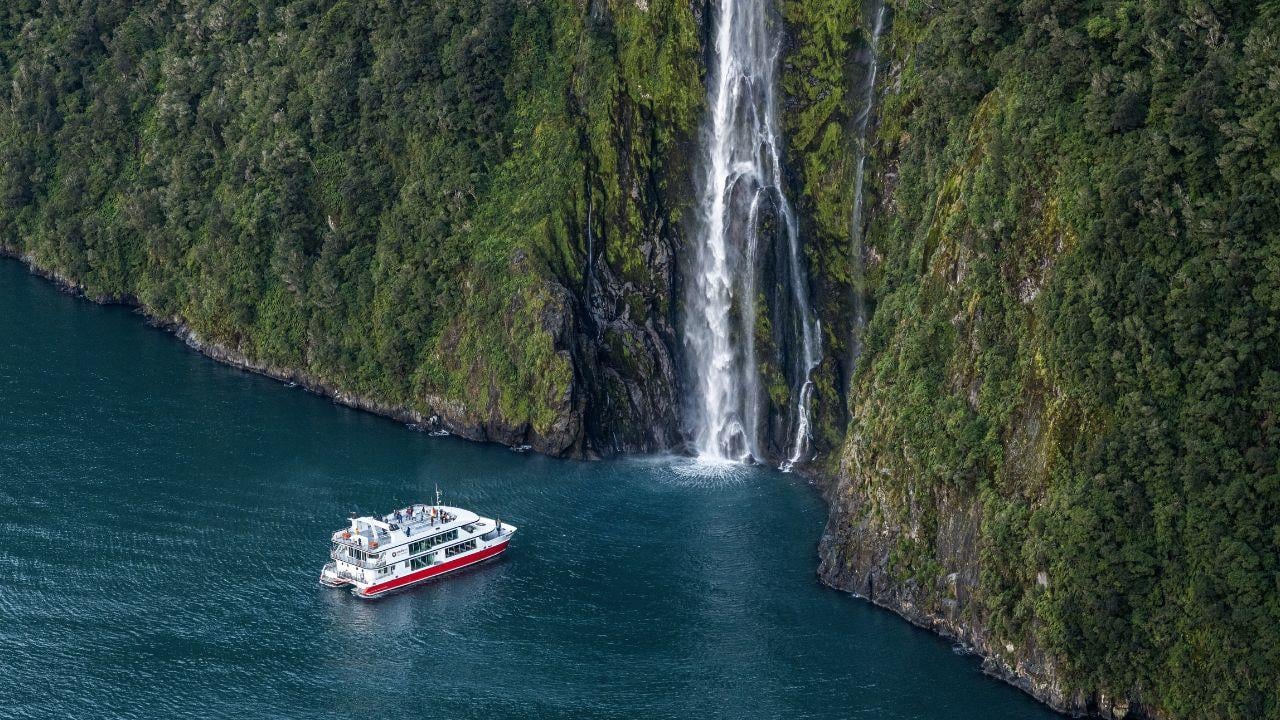
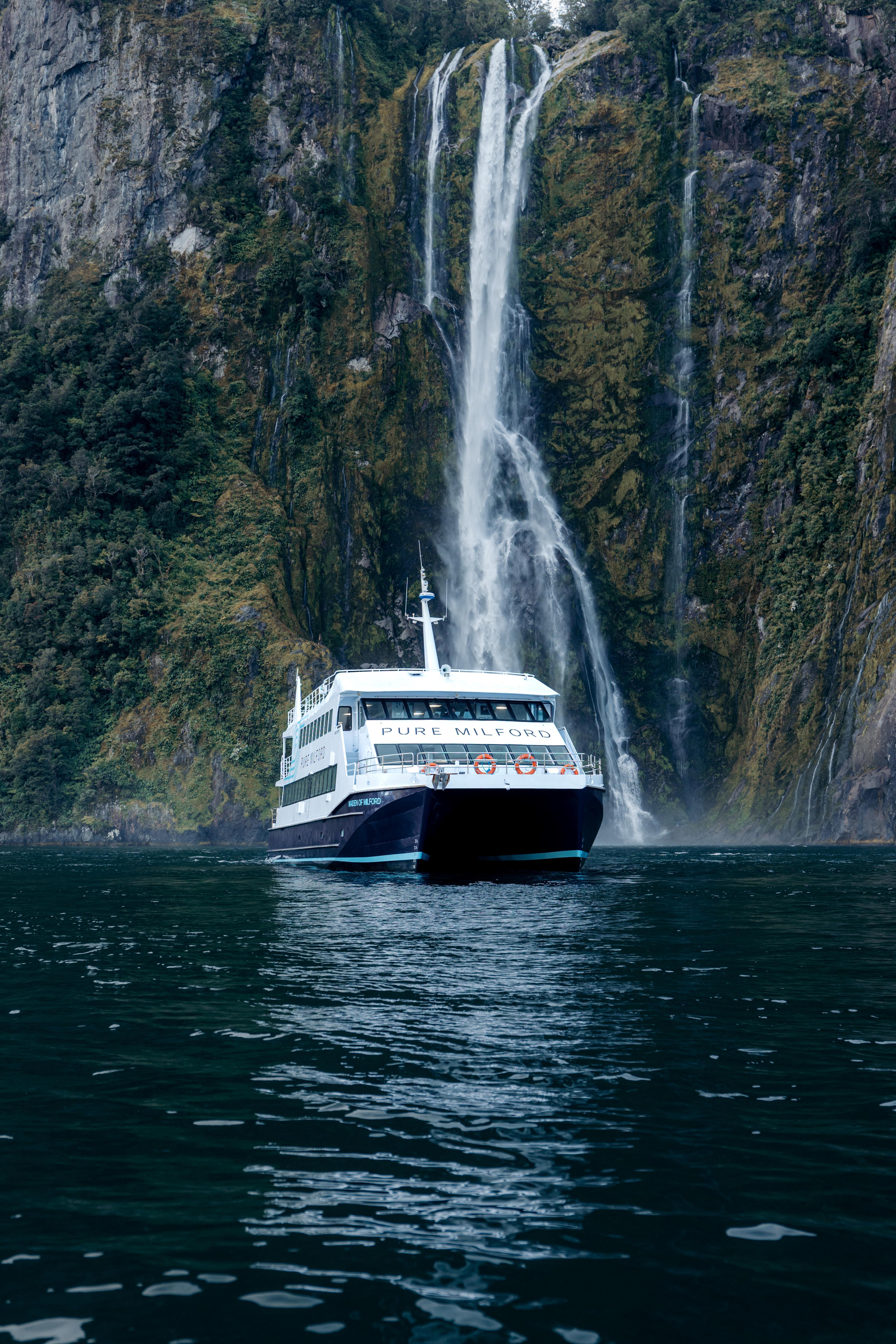
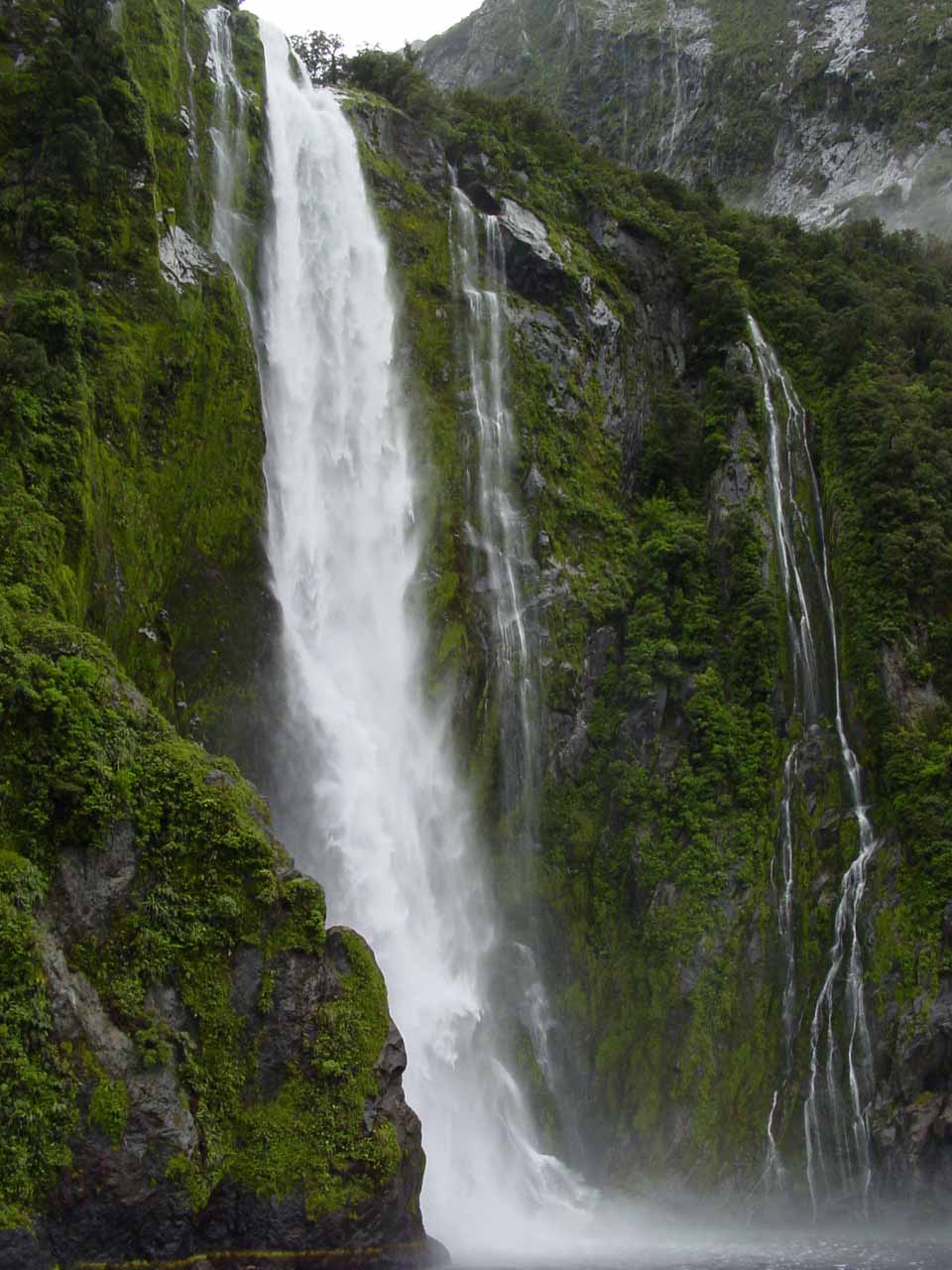
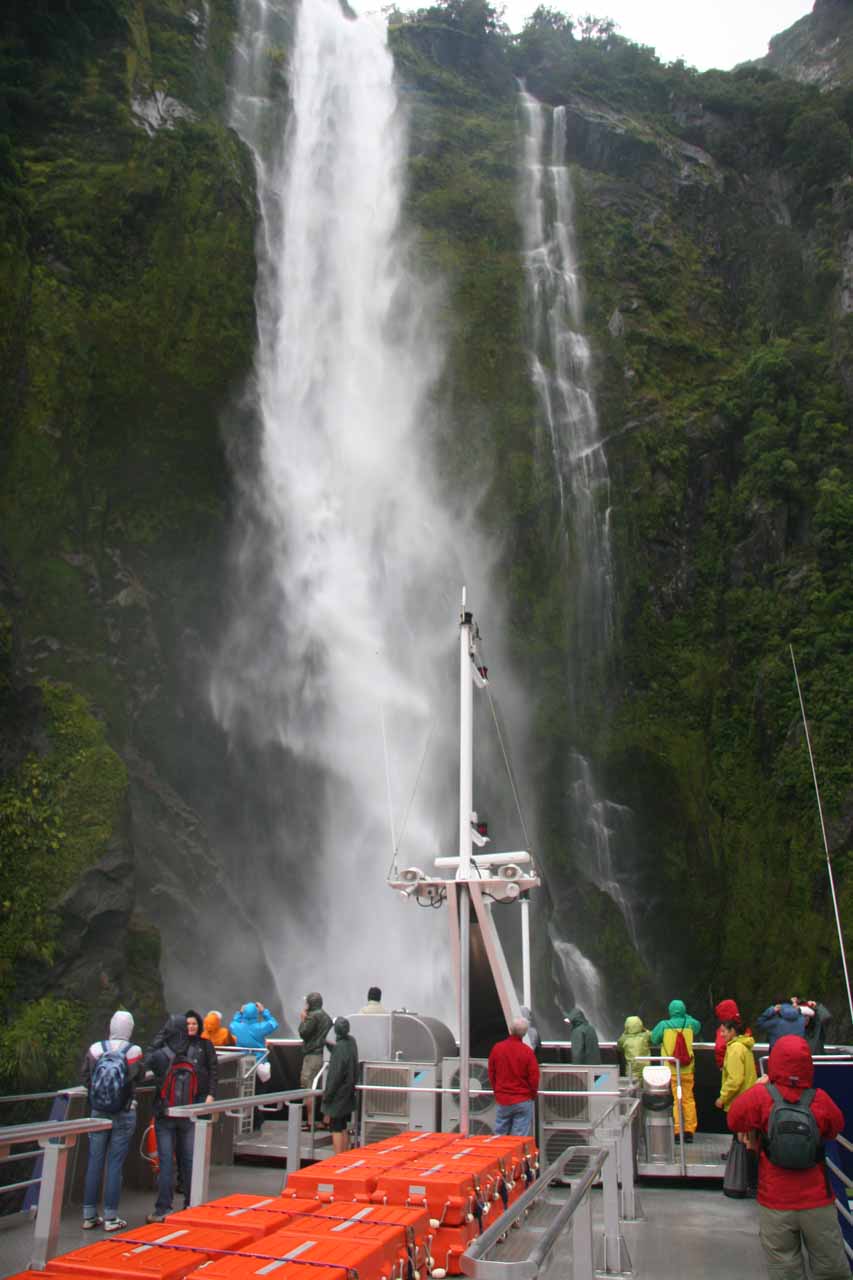
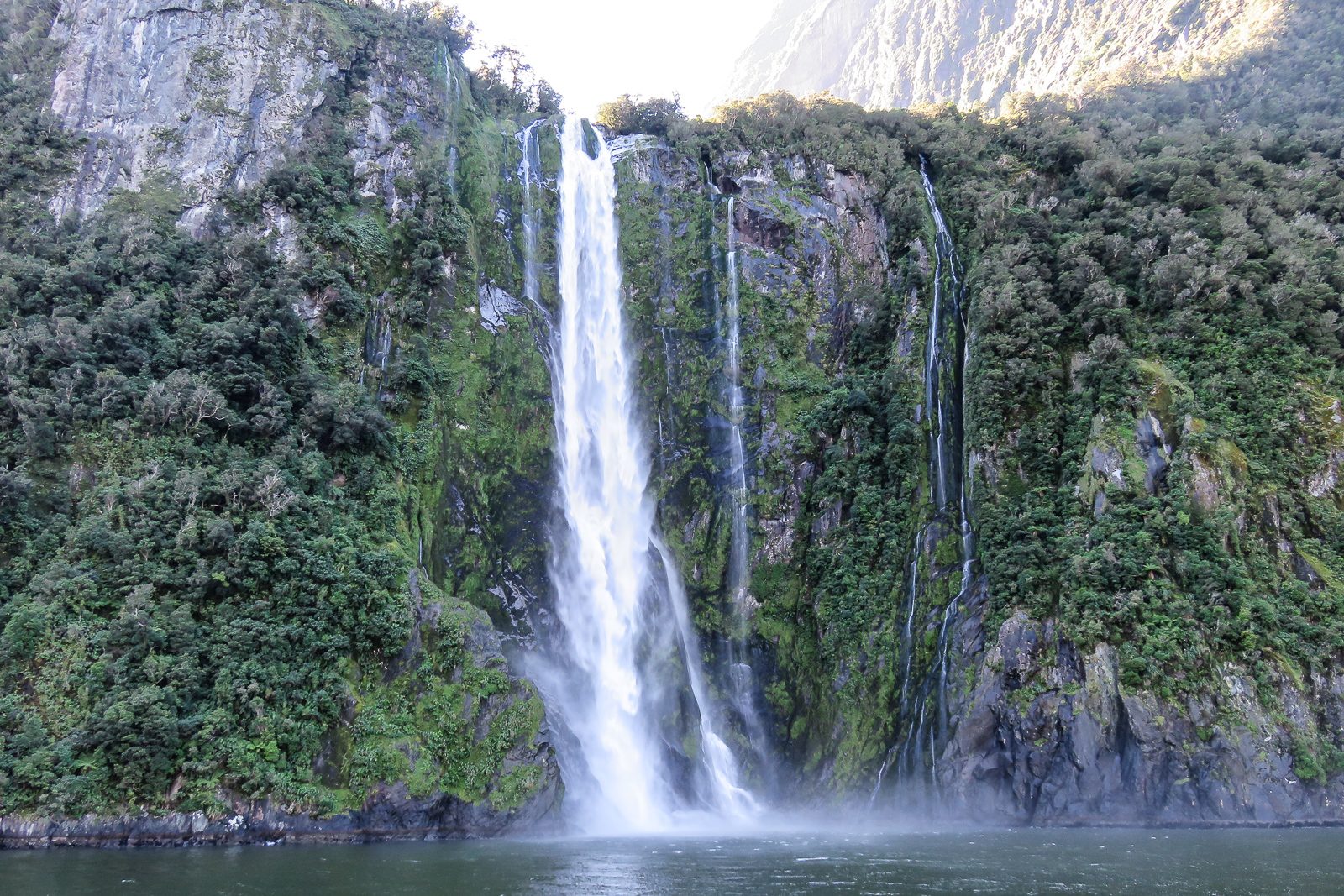
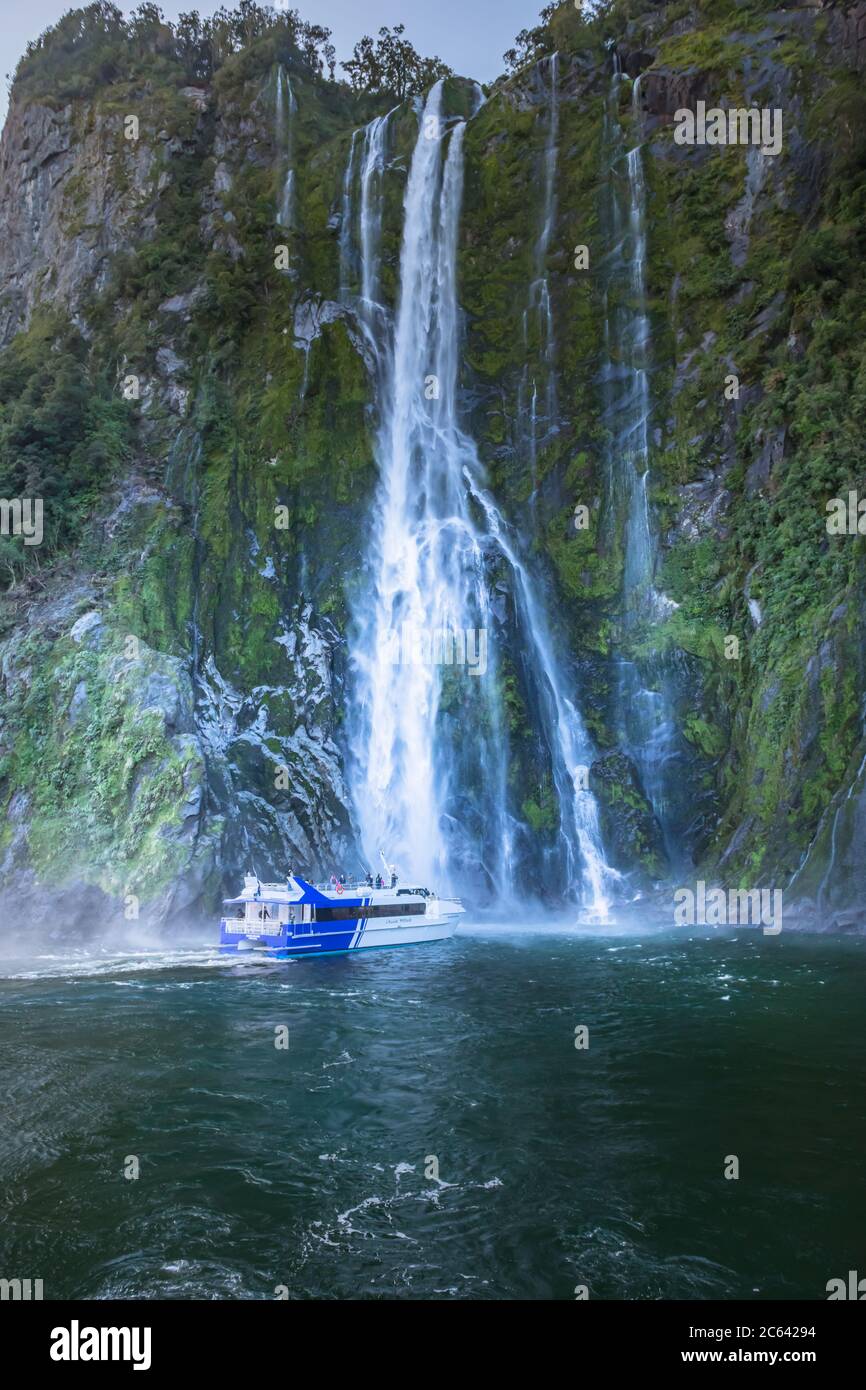
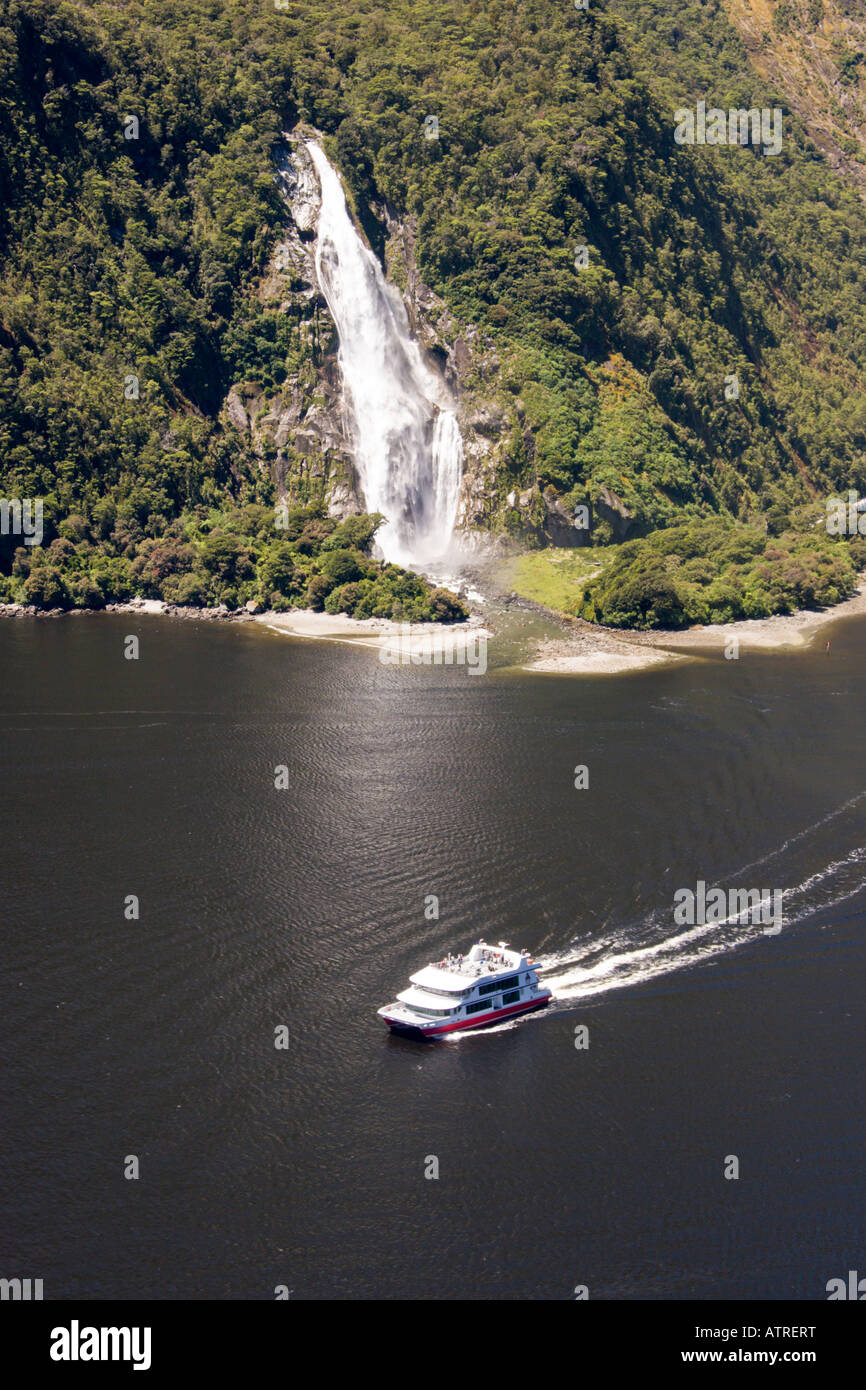
Named after Captain Frederick Stirling of HMS Clio, this 151-metre waterfall plunges from a hanging U-shaped valley carved between the Elephant and Lion mountains. Many Milford Sound Cruise vessels sail close enough beneath it for spray to reach passengers on the open deck.
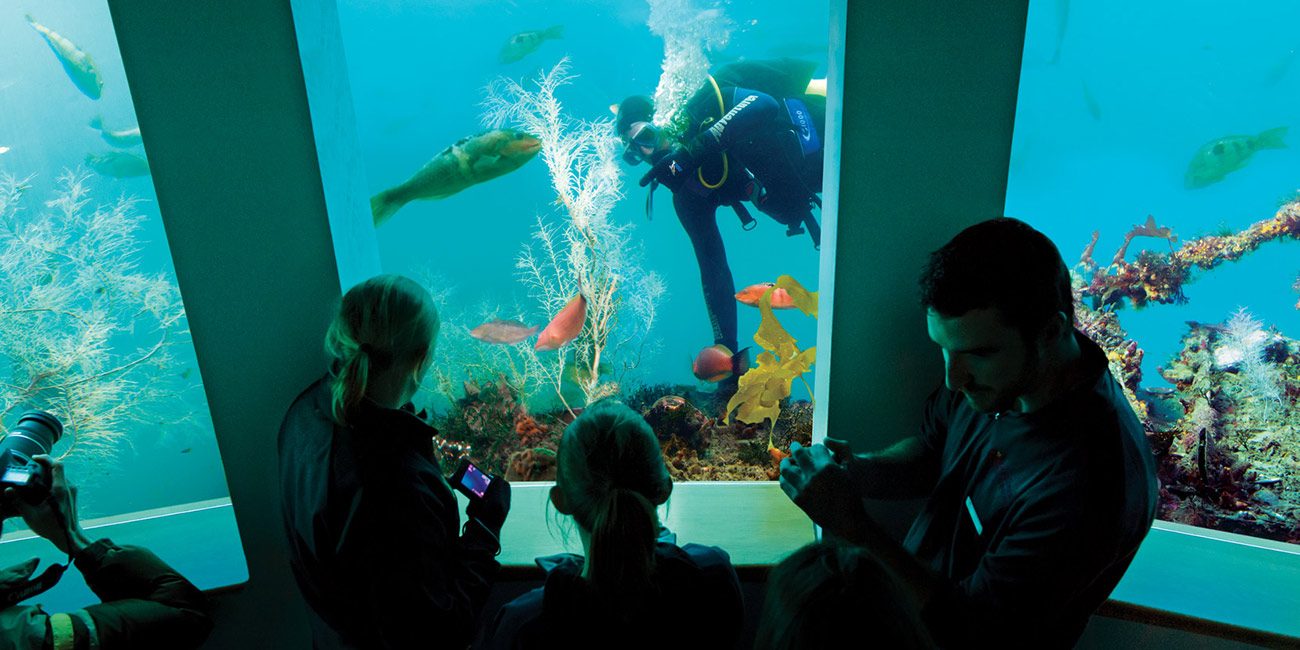
Facing away from the fiord's entrance, this is the only naturally sheltered harbour within Milford Sound and hosts the floating Milford Discovery Centre and Underwater Observatory. The observatory sits 10 metres below the surface, revealing black coral growing unusually close to the surface due to the fiord's dark freshwater layer.
These two peaks flanking the fiord, officially Mt Kimberley (1,302 m) and a neighbouring summit, are nicknamed for their resemblance to a crouching lion and an elephant's profile when viewed from the water. They frame the U-shaped valley that feeds Stirling Falls below them.
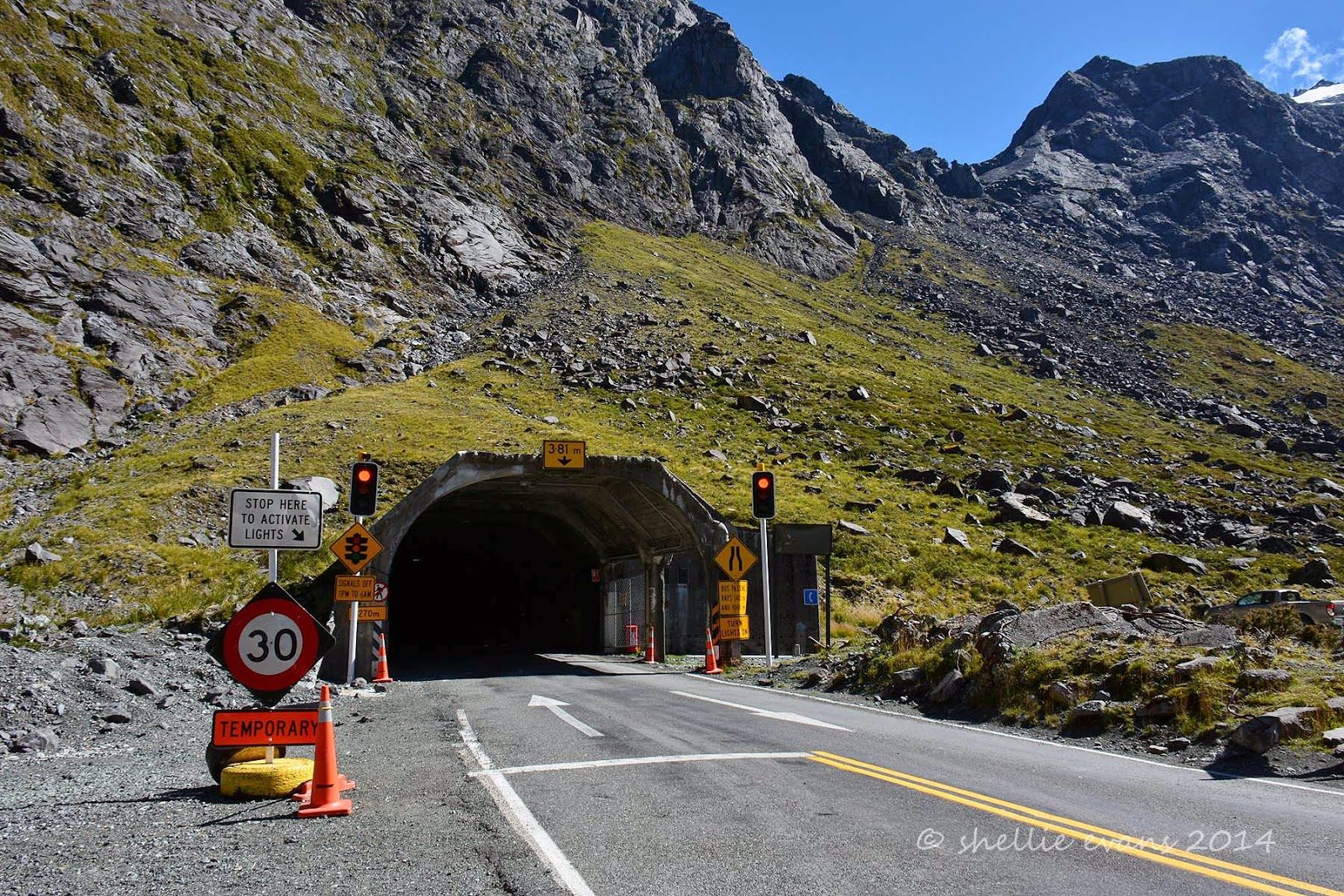
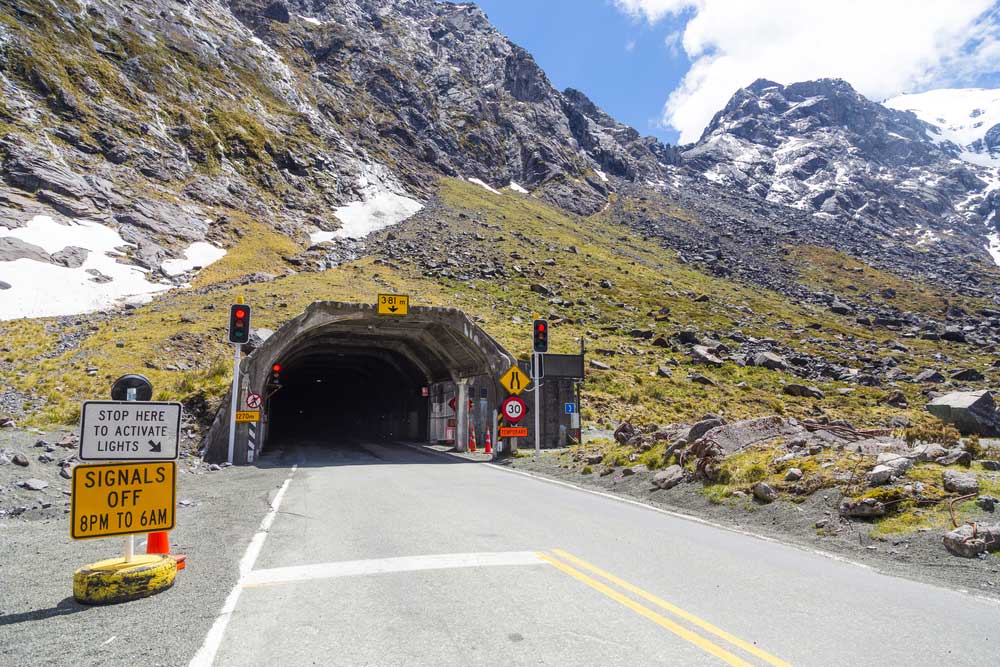
Cut 1.2 kilometres through solid granite, this single-lane tunnel on the Milford Road is the final dramatic passage before descending into Milford Sound township, framed by near-vertical rock walls and, in winter, hanging icicles.
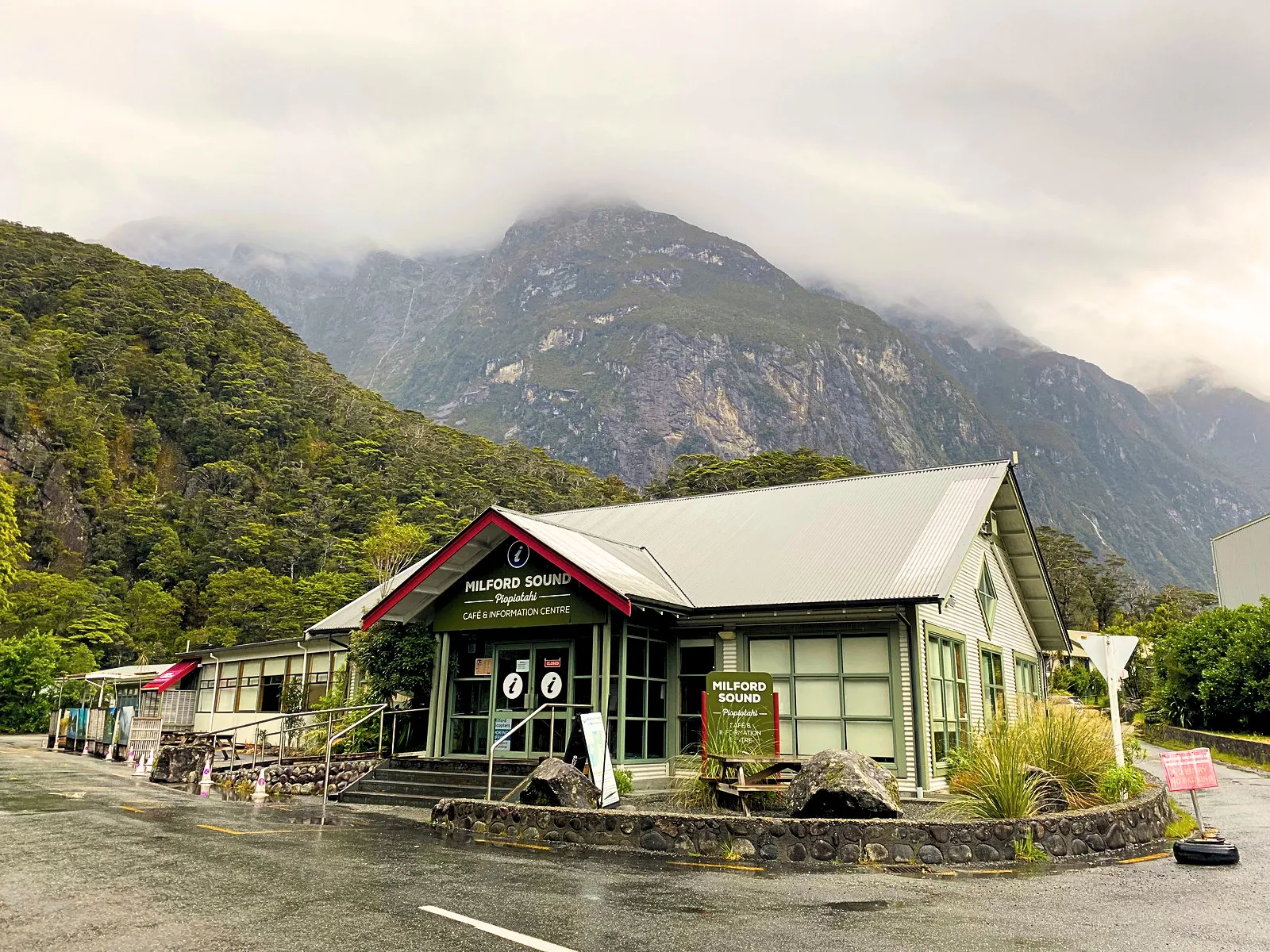
You come down the Milford Road, through the Homer Tunnel, and park at the Milford Sound Visitor Terminal on Deepwater Basin Road. Aim to arrive between 09:00 and 11:00 — earlier sailings sit ahead of the tour bus arrivals and ahead of the cloud that builds over the peaks by mid-afternoon.
There is no gate fee; you pay only for the sailing itself, and the terminal keeps 08:00–18:00 hours daily.
You walk the short covered path to the wharf and board. Within four minutes of leaving the berth, Mitre Peak is off your starboard side and the scale stops being abstract. You go outside. Everyone does, eventually. The upper deck is cold even in July, and the wind on the open water is the reason the crew mention layers.
At Stirling Falls the skipper noses the bow close enough that spray reaches the rail — hold the camera under your jacket for that minute. You watch for fur seals stretched on Seal Rock. Further out, the walls step down and the swell picks up as the fiord opens to the Tasman Sea, and the boat turns.
On the return leg you take the sheltered side. A Milford Sound Cruise runs the same water twice, and the second pass looks nothing like the first — different light, different waterfalls, depending entirely on what the weather did while you were out there.
All the details about your upcoming adventure in one place
A Milford Sound Cruise carries you the full length of the fiord to the Tasman Sea, passing Mitre Peak, Stirling Falls and the sheer granite walls that Rudyard Kipling called the eighth wonder of the world. Vessels nose close to permanent waterfalls and seal colonies at Copper Point, while fur seals, bottlenose dolphins and Fiordland crested penguins appear regularly along the shoreline. Milford Sound Cruise tickets cover the return sailing from the terminal at Deepwater Basin, inside Fiordland National Park and the Te Wahipounamu UNESCO World Heritage Area.
Milford Sound is not a sound at all. A sound is a drowned river valley; this is a fiord, carved by ice, and the Māori name Piopiotahi has always been the more accurate one. Glaciers ground the valley to a U-shaped trench over successive ice ages, the last of which retreated roughly 14,000 years ago.
The sea moved in behind it. The result is a 16-kilometre inlet whose walls climb almost vertically from water more than 250 metres deep in places.
Captain James Cook sailed past the entrance twice in the 1770s without entering, judging the gap too narrow for a ship to reverse out of against the prevailing westerlies. The fiord was named by Welsh sealer John Grono, after Milford Haven in Pembrokeshire. Donald Sutherland settled here in 1877 and lived largely alone; the Milford Track, opened to walkers in the 1890s, brought the first sustained visitors. The Homer Tunnel, begun by relief workers with picks and wheelbarrows in 1935 and completed in 1953, finally gave the fiord a road.
Rudyard Kipling is credited with calling it the eighth wonder of the world, and the phrase has followed the place ever since. What distinguishes a Milford Sound Cruise from other scenic waterways is the vertical scale. Mitre Peak rises 1,692 metres directly from the waterline. Stirling Falls drops 151 metres year-round, fed by permanent snowmelt; Lady Bowen Falls, higher still, supplies the settlement with power and water. Rainfall here averages around 6,400 millimetres annually, and after heavy weather the cliffs run with hundreds of temporary cascades that vanish within a day.
The fiord's ecology is stranger than its geology. Freshwater runoff forms a tannin-stained layer several metres thick over the seawater beneath, filtering light so severely that deep-water species — black coral colonies centuries old among them — grow at depths of only 10 metres, far shallower than anywhere else on record. Bottlenose dolphins hold one of the world's southernmost resident populations here. Fur seals haul out on Seal Rock; Fiordland crested penguins nest along the shore between July and November. Milford Sound Cruise tours run through all of it, from the terminal at Deepwater Basin Road out to the Tasman Sea and back.
The fiord sits within Fiordland National Park, part of the Te Wāhipounamu World Heritage Area inscribed by UNESCO in 1990. Nothing about the landscape is settled. Landslides periodically strip whole slabs of forest from the granite, leaving pale scars that regenerate over decades — a process locals call tree avalanche, and the reason the beech forest above the waterline is a patchwork of ages.
A sound is a drowned river valley; this is a fiord, carved by ice.
There is no formal dress code for a Milford Sound Cruise, but layered, weatherproof clothing is strongly recommended since Fiordland receives high rainfall year-round and outdoor deck temperatures can feel several degrees cooler than at the terminal. Closed, non-slip footwear is advised for moving between indoor cabins and open viewing decks while the vessel is underway.
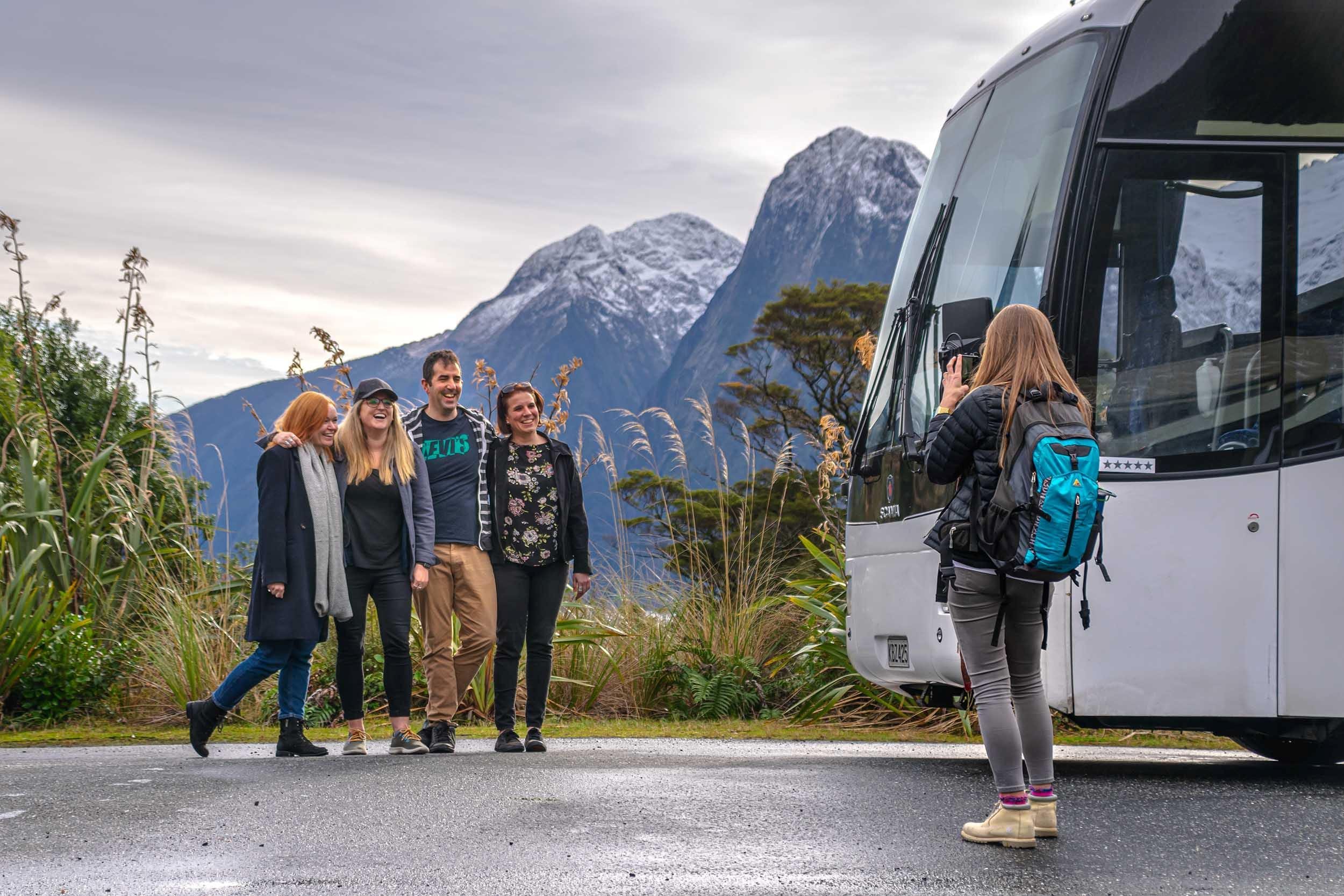
Guests carry their own bags on board; there is no baggage screening at the Milford Sound Visitor Terminal, but only limited storage is available on site, so day-trippers arriving by coach from Queenstown or Te Anau typically leave large suitcases on the coach. Keep valuables in a small daypack, as overhead and under-seat space on the vessels is compact.
Personal photography and filming are permitted throughout the Milford Sound Cruise, including from the open outer decks near Stirling Falls and Bowen Falls. Tripods are discouraged on crowded deck areas during peak 09:00–11:00 sailings, and drone use over the fiord requires a Department of Conservation concession and is not permitted from the vessel itself.
Children of all ages are welcome on a Milford Sound Cruise, and life jackets in child sizes are carried on board. Prams can be stowed at check-in, though the Visitor Terminal itself has limited storage space.
The Milford Sound Visitor Terminal and RealNZ's main cruise vessels are wheelchair accessible, with ramped boarding and designated seating near main cabin areas. Guests with mobility requirements should state this at the time of booking or call ahead so crew can confirm the specific vessel's suitability and arrange assistance at check-in.
Guests may bring their own snacks and sealed drink bottles aboard; glass containers are discouraged on the open outer decks due to slippery surfaces. Consuming outside food inside the terminal café seating is generally not permitted, as it is run by an onsite concessionaire.
Quiet midweek sailings
Busier with weekend arrivals
Heaviest coach tour volume
Check-in
Arrive 20 minutes before your scheduled Milford Sound Cruise departure, terminal open 08:00–18:00 daily
Opening hours
08:00 – 18:00
Getting there
City-center access via metro and bus
Accessibility
Most experiences are wheelchair-friendly — check individual tours
What to bring
Comfortable shoes, water, phone for mobile voucher
Car · About 1.5-2h from Te Anau, 4-5h from Queenstown · Free (Deepwater Basin) or $10/hour paid main car park
Self-drive from Te Anau along the Milford Road (State Highway 94), including the narrow one-lane Homer Tunnel; allow 45 minutes to 1 hour to park and walk to the terminal before check-in.
Bookings made directly with RealNZ for a Milford Sound Cruise carry a 24-hour cancellation policy — reschedules or full refunds are issued when notice is given at least 24 hours before departure (NZ time). There is no separate gate or entrance fee (0 NZD) since the fiord itself is free to enter; only the cruise ticket, booked per sailing, is subject to this refund window.
Recommended time
2-3 hours
Budget roughly 2 to 3 hours in total: allow 45 minutes to an hour to park and walk in from Deepwater Basin Road, complete the required 20-minute check-in at the Visitor Terminal, then settle in for the cruise itself, which runs about 1 hour 40 minutes to 2 hours out to the Tasman Sea and back. Add extra buffer in peak summer, when parking fills and the walk-in queue lengthens; subtract little, since check-in windows are strict and gates close shortly before departure. A Milford Sound Cruise booked for the 09:00-11:00 window keeps queue waits shorter, since tour coaches from Queenstown and Te Anau cluster around midday sailings. Later afternoon departures see similar bunching as buses time their return runs.
Crowd levels through the day
Weather · crowds · average price — dots go green to amber to red as each metric rises.
Long daylight hours and the warmest temperatures of the year, though this is also peak season with the heaviest coach traffic and busiest car parks.
Departures around 09:00-11:00 tend to see fewer tour buses and clearer skies before afternoon cloud builds over the peaks, giving calmer water for photos.
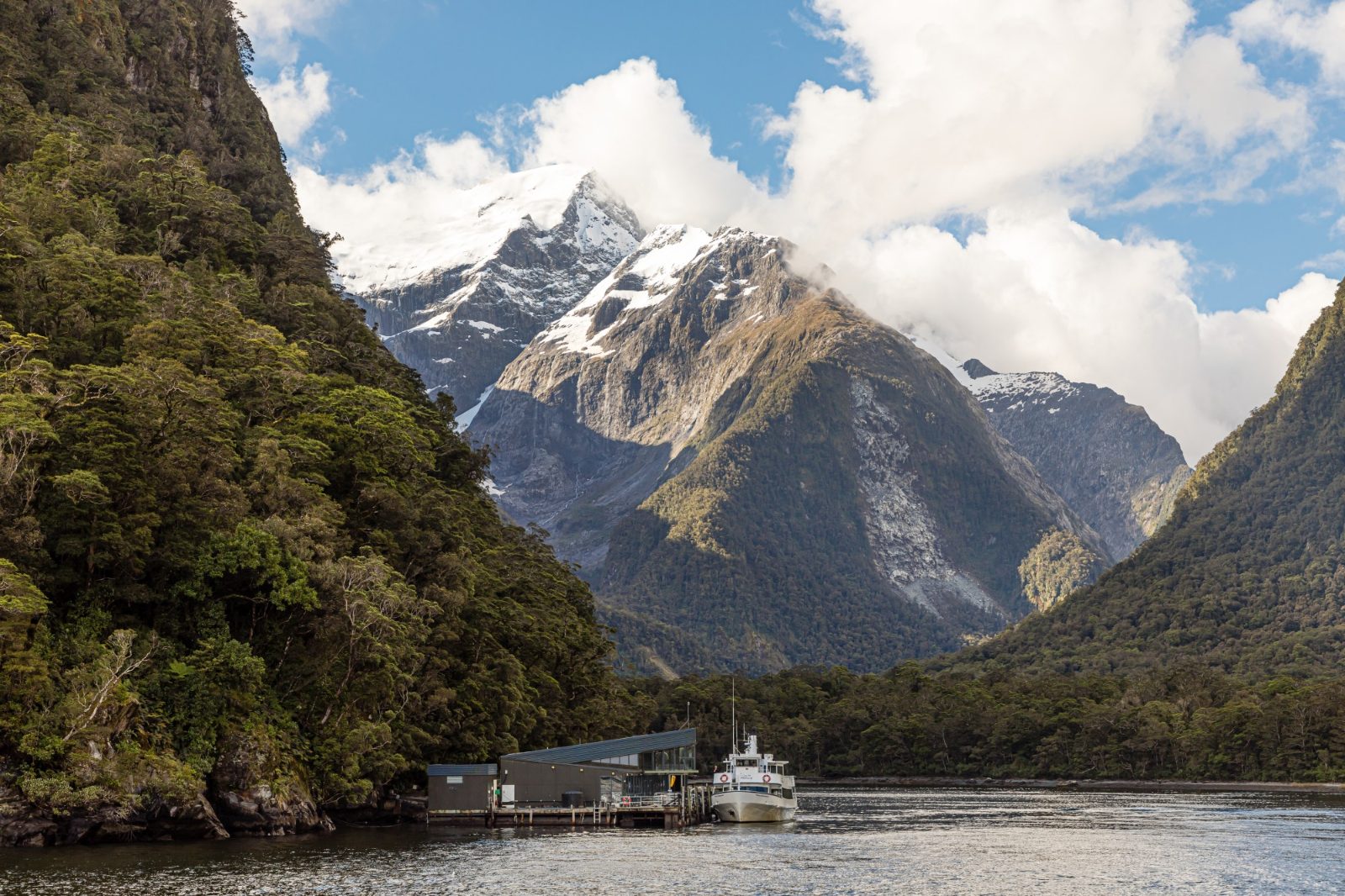
Deepwater Basin Road, Milford Sound, Fiordland National Park, New Zealand
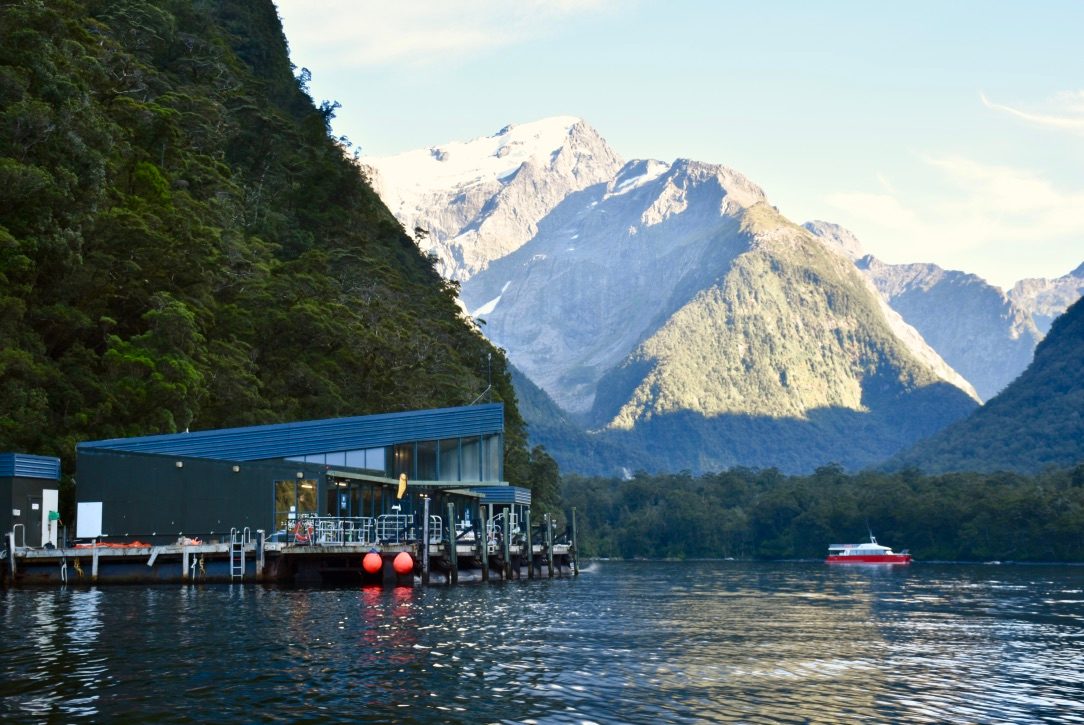
Central check-in hub for all Milford Sound Cruise departures; arrive 20 minutes before sailing
Get directionsMilford Sound township, off State Highway 94
Paid parking, $10/hour, roughly 5-10 minute walk to the terminal
Get directions
Deepwater Basin Road, Milford Sound
Free parking, roughly 20-25 minute walk along a forested path to the terminal
Get directions
Positioned near the wharf at departure, this is the tallest waterfall in the fiord and the classic first shot of a Milford Sound Cruise; stand near the bow as the boat pulls out for a clean vertical frame of falling water against dark cliff.
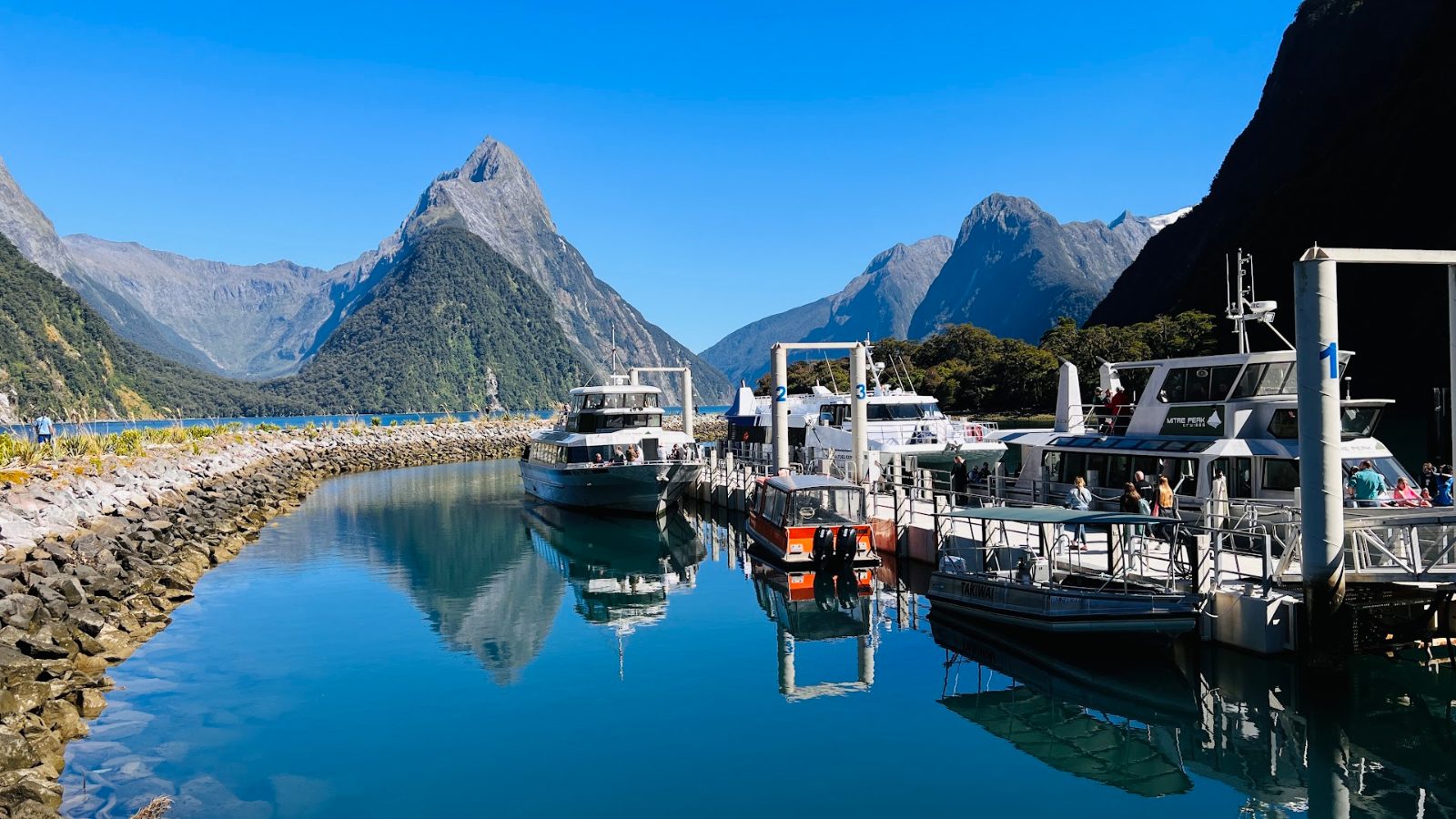
The pyramid-shaped summit fills the frame as the vessel rounds the bend toward open water; the outdoor bow deck gives an unobstructed angle with the peak reflected on calm mornings.
Boats nose in close to this 146-metre cascade, and the outdoor deck here is the spot for spray-in-the-lens shots or a quick retreat with a rain cover; wide shots work best from the upper deck rail.
Marking the edge where the fiord widens toward the Tasman Sea, this rocky outcrop offers a clean side-on shot of the cliff line with open water beyond, good for wide seascape framing.
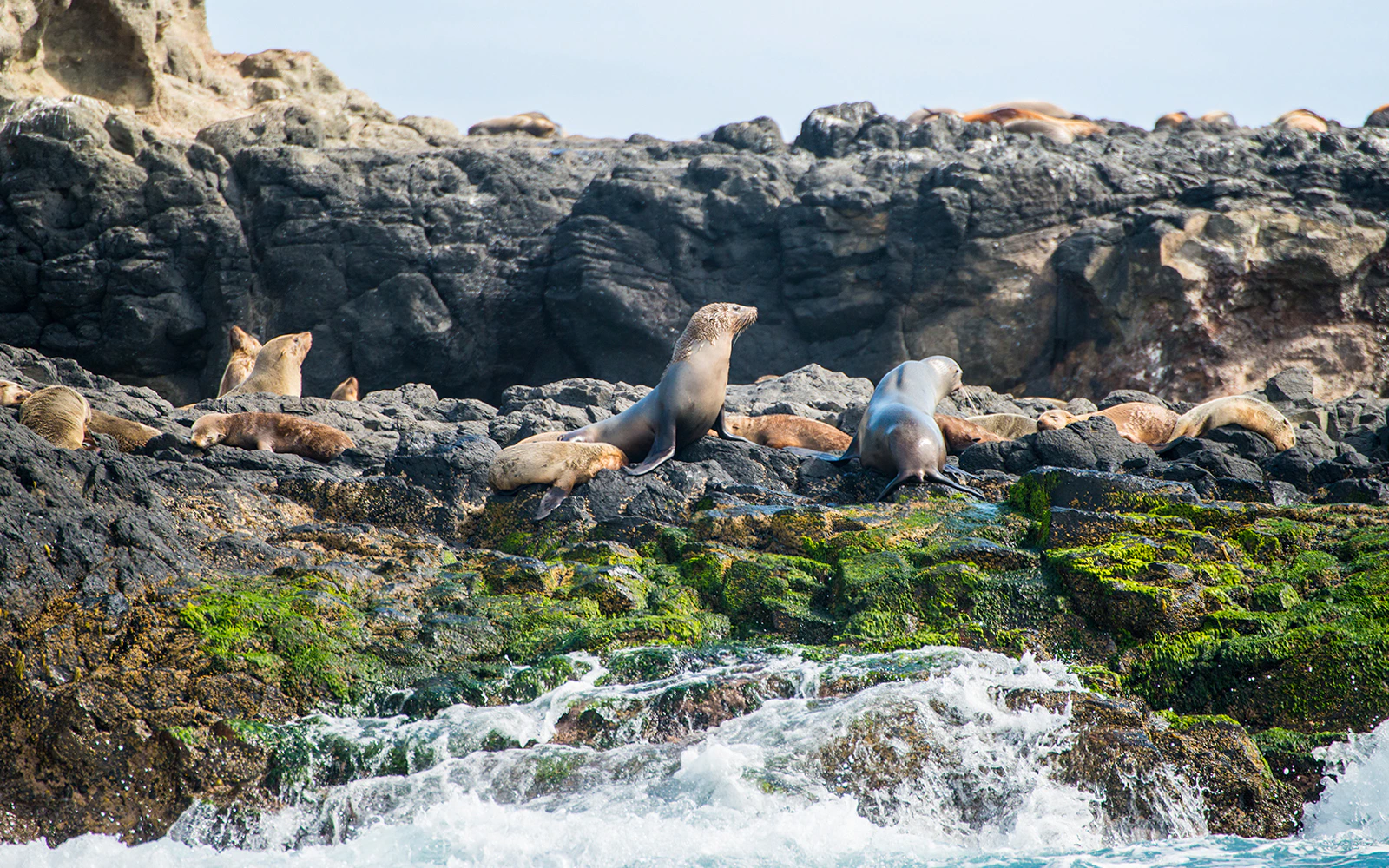
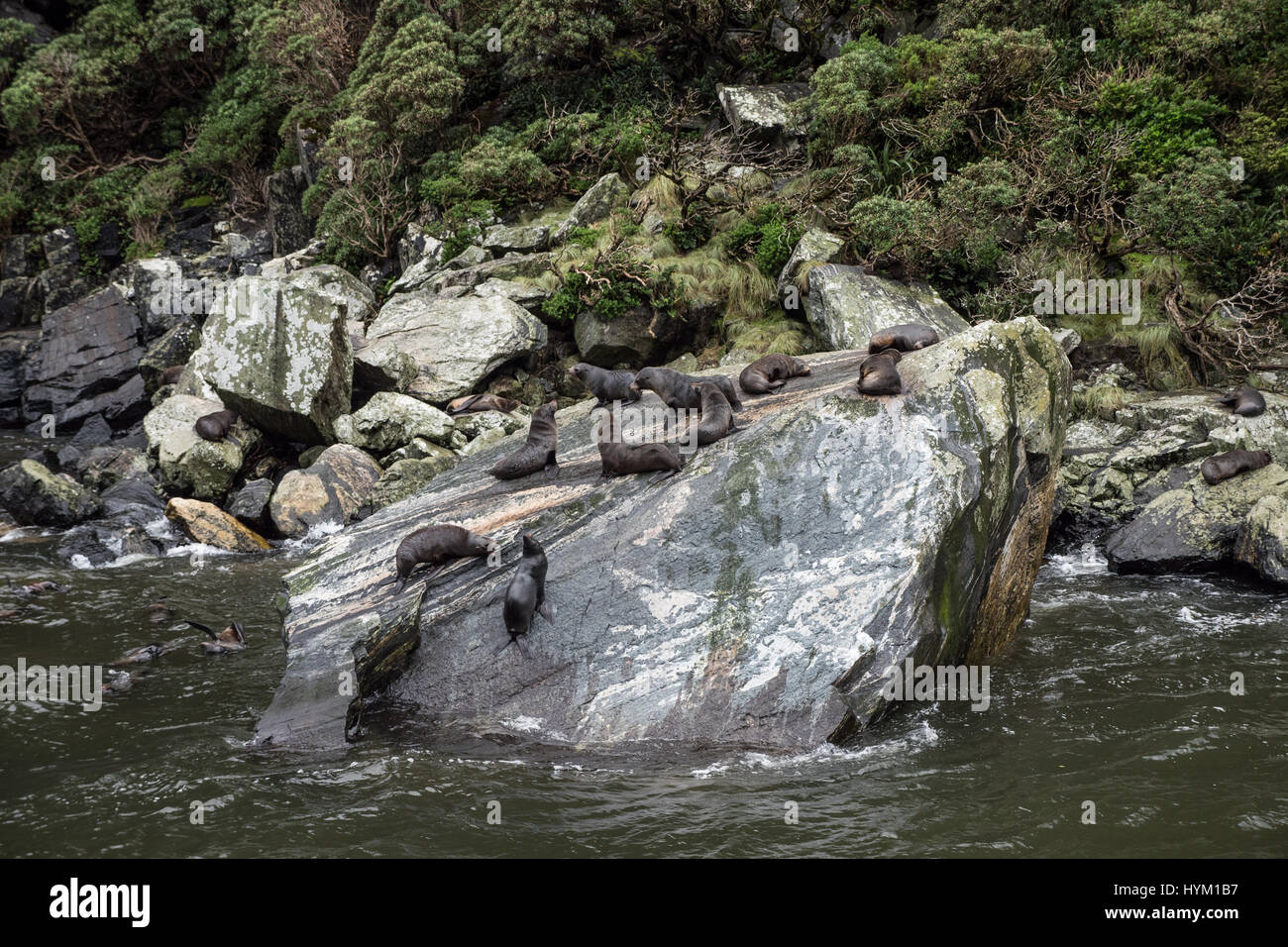
A low rock shelf near the Tasman entrance where fur seals haul out, best shot with a zoom lens from the lower deck rail rather than the bow.
A quieter stretch where Mount Pembroke and its glacier rise above the rainforest canopy, giving a layered mountain-to-water composition away from the main crowd points on a Milford Sound Cruise.
A Milford Sound Cruise works well with children, since strollers are welcome on board and life jackets in kid sizes are supplied, but sea-sill door steps and open decks mean an adult needs to stay within arm's reach the whole two hours.
Prams fold down and get stowed by crew at boarding, so bring one for the walk in from parking and then carry or babywear once on deck.
Toddlers upward manage fine on the larger Classic and Signature vessels; babies do best worn in a carrier rather than left in a stroller once underway, especially outdoors.
Onboard toilets are available on the main day-cruise vessels, though there is no dedicated baby-change room, so pack a portable mat for nappy changes in the cabin.
Raised door thresholds between indoor lounges and open decks are a trip hazard for unsteady walkers, so hold hands or carry young kids through doorways.
Split the two hours between a warm indoor lounge for meals and naps and short bursts on deck for waterfalls and wildlife, rather than staying outside the whole sailing.
Cabinet snacks and hot drinks suit older kids, but bring your own baby food and snacks since dedicated children's menus are limited onboard.
Dining at Milford Sound centers on your vessel and the terminal building, since the settlement has no restaurant strip to wander before or after a Milford Sound Cruise. Expect onboard purchases and one terminal cafe rather than a choice of streets, and note that card payment is standard throughout — cash is rarely accepted anywhere on-site.
Found on Signature and Classic vessels, this counter sells barista coffee, muffins, pies, and cabinet snacks bought individually as you go rather than pre-set into a package. Lines form right after boarding, so order early if you want a window seat with your flat white.
Classic Cruise vessels run an international buffet you can add when booking your Milford Sound Cruise tickets, while Signature and Premium sailings offer pre-booked picnic or tasting menus. Best value if arranged ahead, since walk-up onboard choices are limited once at sea.
The only sit-down cafe at the terminal, serving soup, sandwiches, and long blacks before or after Milford Sound Cruise tours depart. It gets busy around midday coach arrivals, so a pre-cruise coffee run works better than a post-cruise one.
A proper sit-down option a short walk from the wharf, known for Fiordland venison and salmon, though it mainly opens for dinner rather than quick pre-cruise meals. All payment on-site, from this restaurant to the cruise cabinets, is cashless — cards or contactless only.
Real experiences from real travelers
We took the early boat out of the terminal and the rain from the night before had turned every cliff into a waterfall. Our Milford Sound Cruise pulled right under Stirling Falls and everyone on the bow got soaked through, which nobody seemed to mind. Bring a hood.
Counted about fifteen seals stretched out on the flat rock near the entrance, completely unbothered by us. The skipper cut the engine so we could hear the water against the hull. Fiordland scenery like nothing I have seen in Europe.
Mitre Peak stayed hidden behind cloud for most of the trip which was a slight disappointment, though the mist rolling down the granite had its own atmosphere. Milford Sound Cruise tours run regardless of weather and honestly the grey suited the place. Dolphins appeared near the Tasman Sea entrance.
Mid-winter sailing and the low sun lit the whole fiord gold by mid afternoon. Far fewer people on deck than friends warned us about. The Fiordland cliffs looked twice as tall with snow on the tops.
Water was mirror flat the whole way to Dale Point and the reflections doubled everything. Standing at the rail you lose all sense of how big the walls are until another vessel passes and looks like a toy. Our Milford Sound Cruise tickets covered the full run out to the open sea and back.
The boat swung in near Bowen Falls and the noise was extraordinary, you feel the spray on your face well before you reach it. Kea were calling somewhere up in the beech forest. Worth standing outside rather than staying behind glass.
Spring sailing and the hanging valleys were still running hard with snowmelt. Guide pointed out where a tree avalanche had stripped a whole strip of forest off the granite years back. This Milford Sound Cruise tour gave us a good three hours on the water.
A pod of bottlenose came alongside just as we turned back from the Tasman Sea and stayed with us several minutes. Cold wind out there, warmer once we were back inside the fiord walls. One of the better Fiordland day trips we booked.
The fiord walls here rise more steeply than anything on our coast and the waterfalls do not stop. Deck space filled up fast at the front so we moved to the stern and had it mostly to ourselves. Dress for wind even on a clear day.
We chose an afternoon departure and the light coming down the fiord walls near the end was the highlight. Saw a small penguin on the rocks that the crew were quite excited about. Milford Sound boat trips in autumn felt calmer than we expected.
Everything you need to know for your journey
The Milford Sound Visitor Terminal is open daily from 08:00 to 18:00, with individual Milford Sound Cruise departure times varying by sailing.
There is no separate gate or entrance fee to visit Milford Sound (0 NZD); only the cruise ticket itself, booked per sailing, carries a cost.
Arrive at the Visitor Terminal at least 20 minutes before your scheduled departure, and target the 09:00-11:00 window for calmer water and fewer tour buses.
Yes, the Visitor Terminal and main vessels are wheelchair accessible; state any mobility requirements when booking so staff can confirm the assigned boat suits your needs.
Drones without a Department of Conservation permit, glass containers on open decks, large suitcases, open flames, and firearms are among the items not permitted aboard.
Personal photography is welcome throughout a Milford Sound Cruise, including from the open outer decks near Stirling Falls and Bowen Falls, though tripods are discouraged in busy deck areas.
Early morning Milford Sound Cruise tour departures around 09:00-11:00 and shoulder-season months like April-May or September-October tend to have lighter crowds than the summer peak.
There's no strict dress code, but layered, waterproof clothing and closed non-slip shoes are recommended given Fiordland's frequent rain and cool deck conditions.
Yes, guests may bring sealed snacks and drink bottles aboard, though glass containers are discouraged on the open decks for safety.
Self-drive via the Milford Road through the Homer Tunnel, or take a coach from Queenstown or Te Anau; parking is available as a paid $10/hour main car park (5-10 minute walk) or a free Deepwater Basin car park (20-25 minute walk).
Yes, children of all ages are welcome, and child-sized life jackets are carried aboard for the sailing.
Bookings made directly with RealNZ can be rescheduled or refunded when cancellation notice is given at least 24 hours before departure.
Nearby sights within a short walk or drive include Bowen Falls, the Milford Sound foreshore walk, the Homer Tunnel, and the Milford Discovery Centre and Underwater Observatory at Harrison Cove, accessible by boat.
A 162-metre waterfall dropping from the Darren Mountain Range, visible from the township before boarding; it also supplies water and electricity to Milford Sound's small resident community.
A short lakeside path along the edge of the fiord giving ground-level views toward Mitre Peak without needing to board a vessel.
A floating observatory 10 metres below the surface at Harrison Cove where black coral and deep-water species are visible in the fiord's dark freshwater layer.
A 1.2-kilometre single-lane tunnel cut through granite on the Milford Road, a dramatic engineering landmark on the approach drive.
A roadside pullout offering an early framed view of Mitre Peak and the fiord entrance before descending into the village.
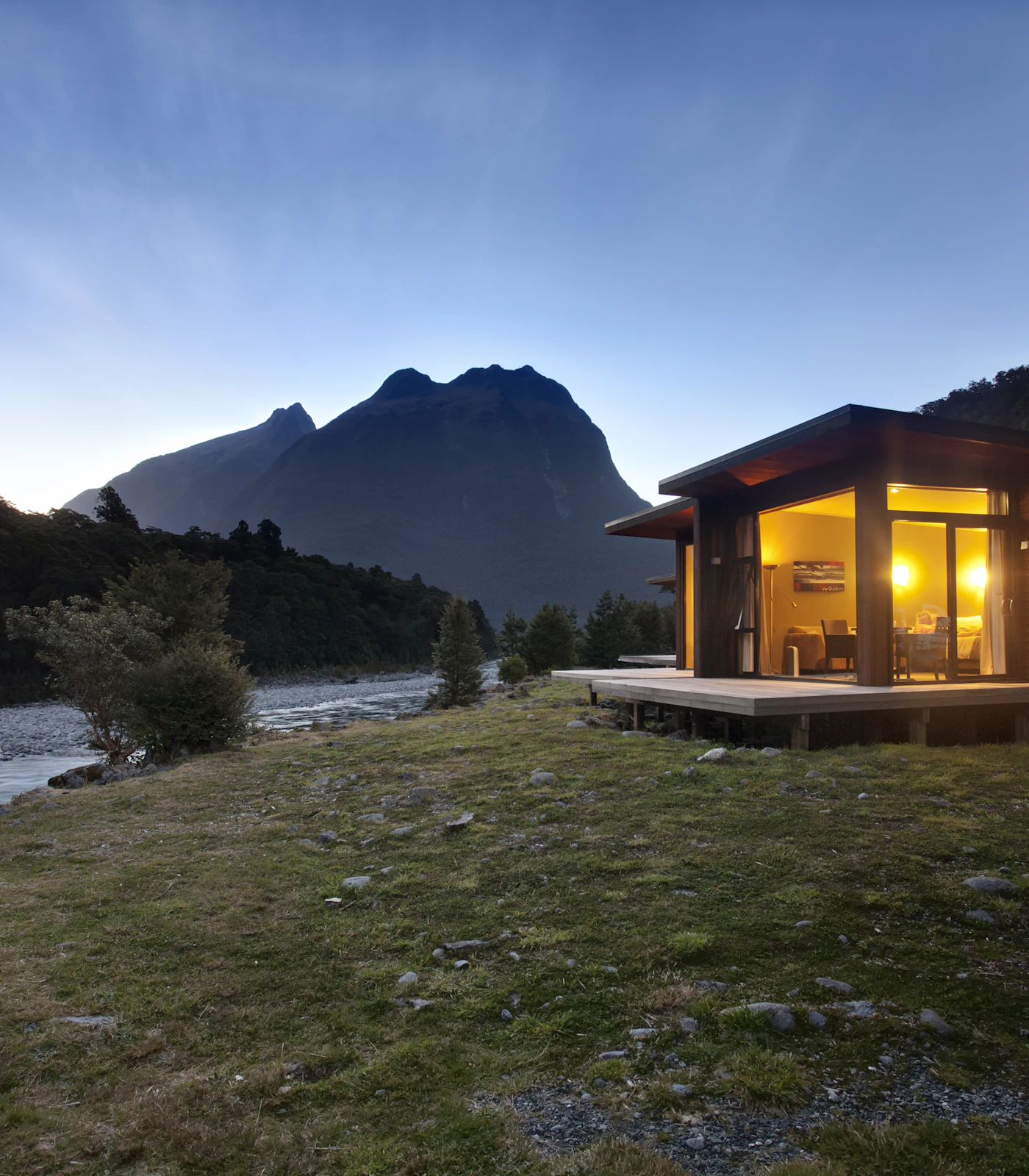
The closest overnight accommodation to the fiord itself, with standard rooms, chalets and a campervan park set among native bush just outside the township.
A wider range of motels, lodges and budget hostels clustered around Lake Te Anau, the usual overnight base for early Milford Sound Cruise departures.
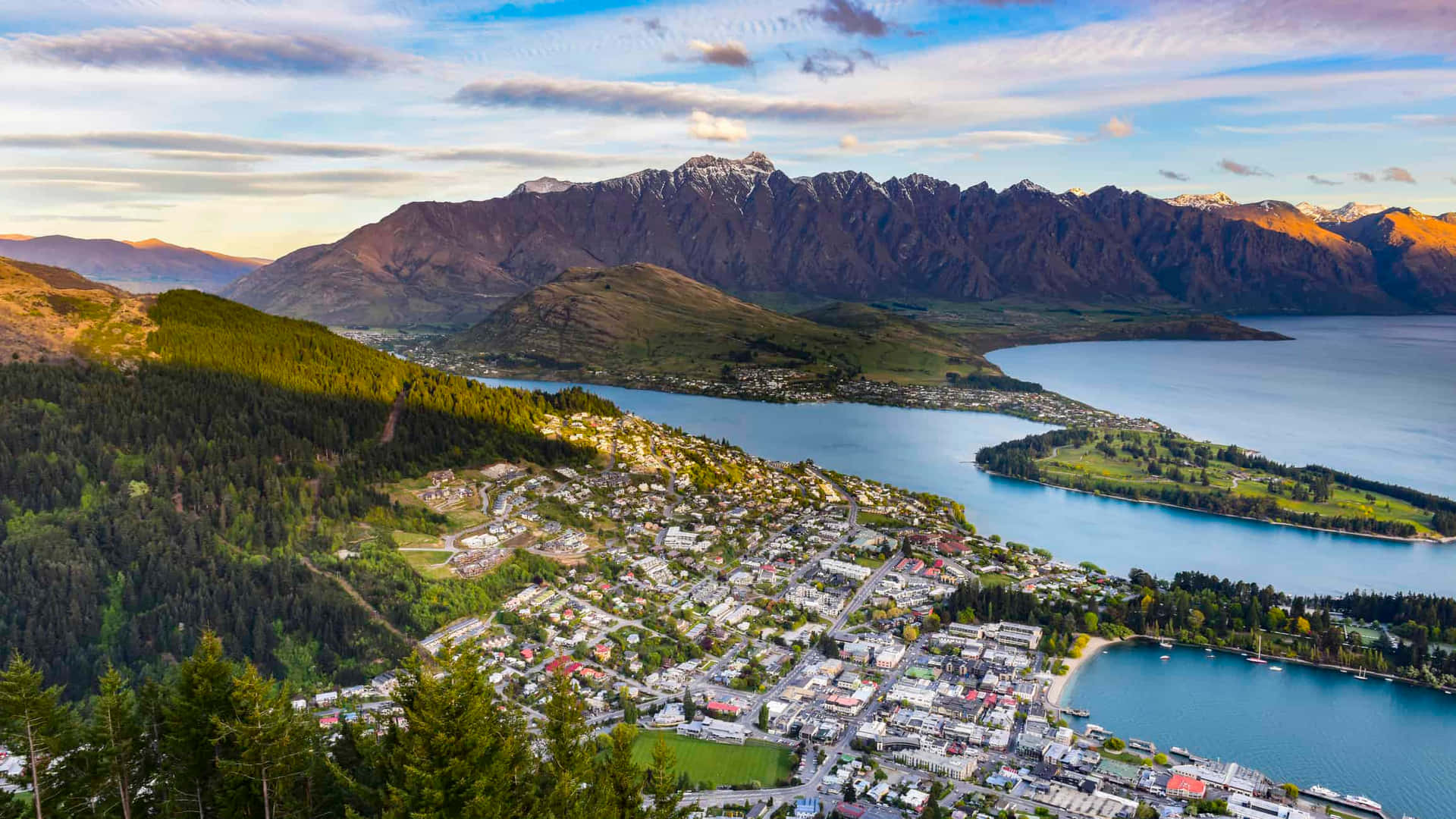
New Zealand's main resort town for the region, offering the full range from budget hostels to luxury lodges, typically paired with a coach or flight package to Milford Sound.
Join thousands of happy travelers who have discovered this incredible experience
Book Your Experience Now